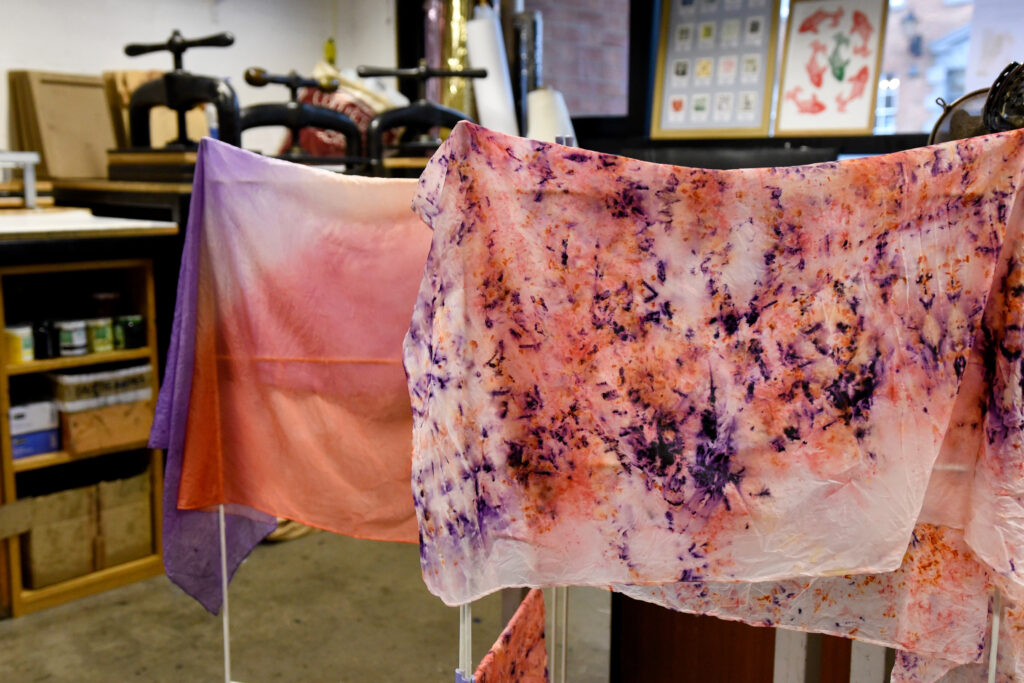
As applications open for this year’s Cultural Enterprises Seeds of Change Prize Fund, we checked in with our 2025 winners, The Art House to find out how their ambitious, community-driven initiative From Earth to Cloth is going so far.
Rooted in sustainability, creativity and collaboration, From Earth to Cloth aims to explore how locally grown, plant-based dyes could be used to create a beautiful, commercially viable range of textile homewares and gifts. What has unfolded so far is a powerful example of what can happen when community engagement and creative innovation come together with purpose.
A Project Taking Root
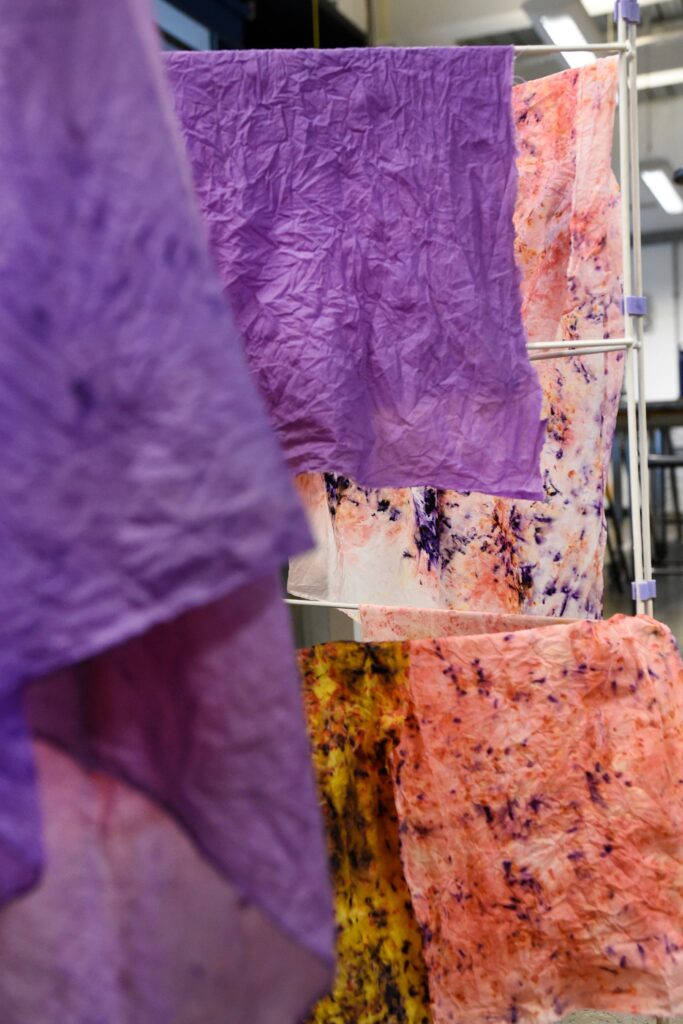
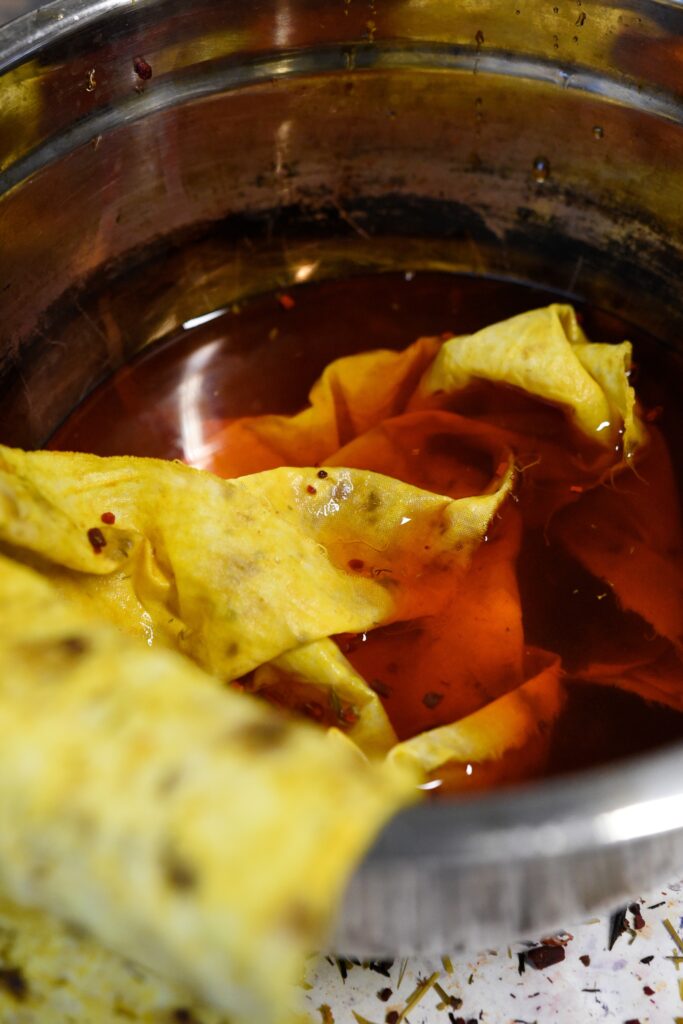
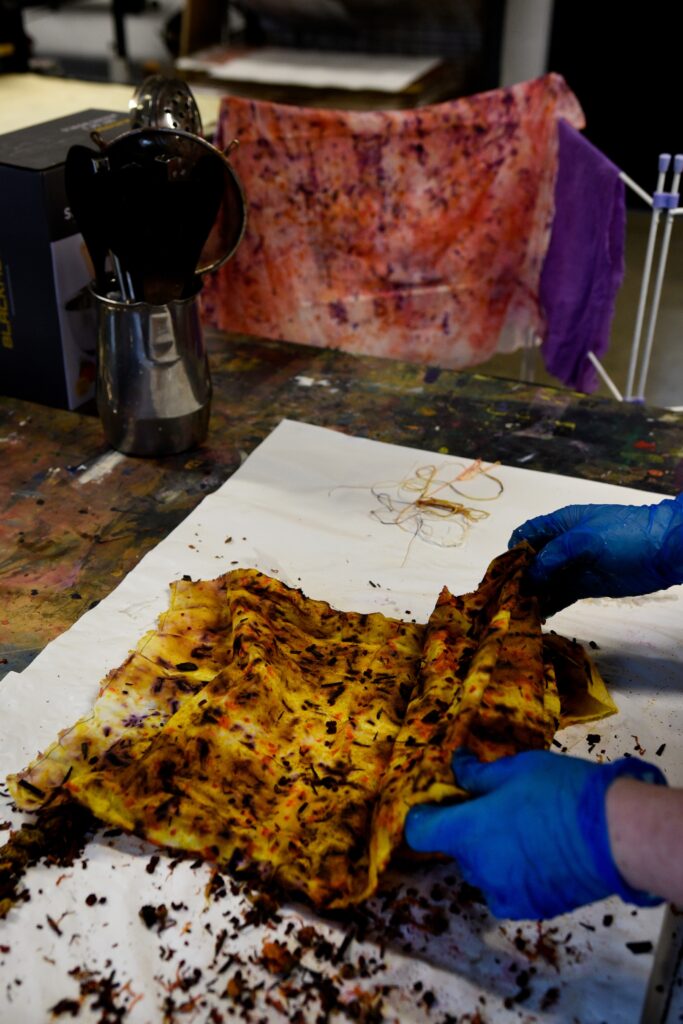
From the outset, the vision for From Earth to Cloth has been clear: to develop a scalable range of products – think tea towels, scrunchies and wash bags, crafted from natural fabrics and dyed using plants grown and processed on site.
While this long-term ambition remains firmly in place, the early stages of the project have already exceeded expectations in some remarkable ways.
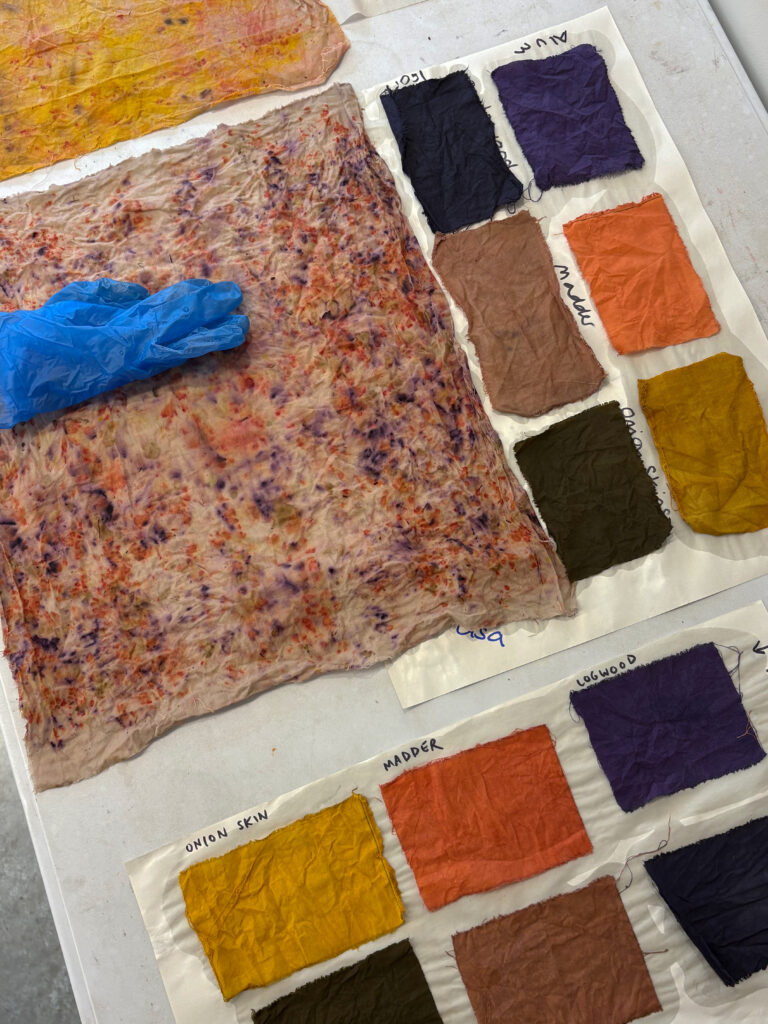
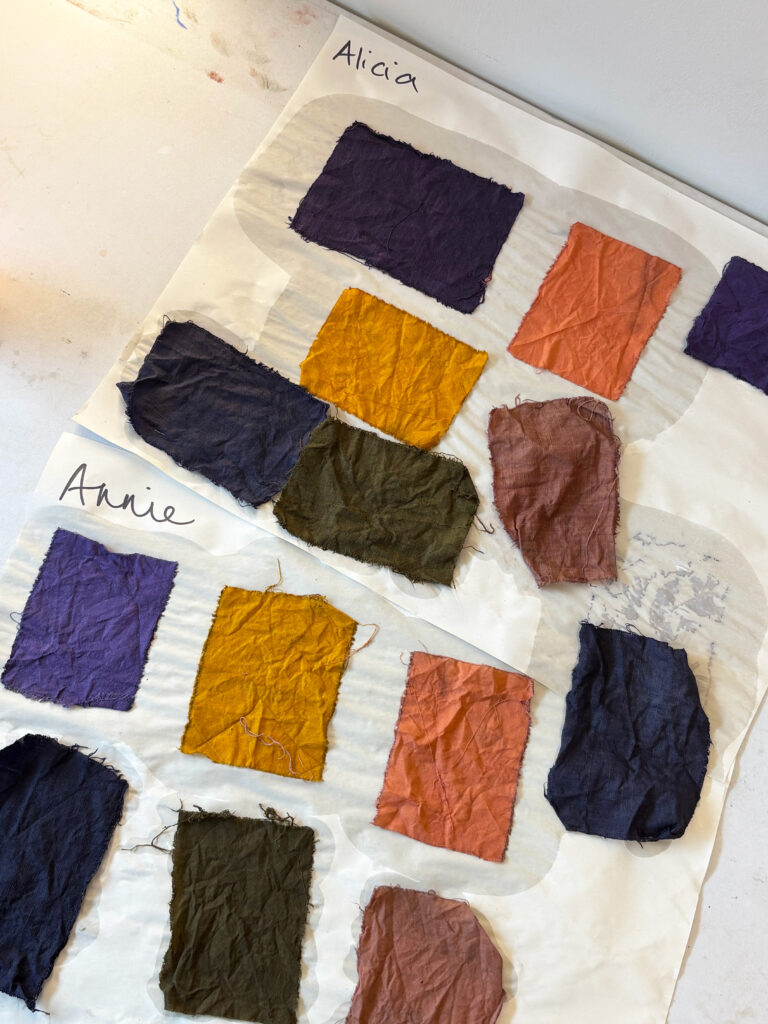
Workshops designed to introduce participants to natural dyeing techniques have proven incredibly popular. Originally planned as two free sessions, demand quickly led to an expansion to four. Even more striking is the level of engagement: where previous free events typically saw around a 50% no-show rate, these workshops have run at full capacity, with waiting lists and participants staying longer than anticipated.
In response, session sizes are being thoughtfully reduced to ensure quality and a more meaningful experience for everyone involved.
Community at the Heart
What stands out most is the depth of community engagement. The workshops have attracted a diverse audience, including many first-time visitors, and, crucially, people are coming back.
Participants are not just attending; they are connecting. Many arrive solo and leave having formed new relationships, united by a shared curiosity and enthusiasm for learning. This aligns with the findings in our Retail Trend Report for the year ahead. There is a clear appetite for hands-on, nature-based craft experiences, particularly those grounded in sustainability.
This engagement is also translating into a wider impact. Visitors are turning their workshop attendance into a full day out, staying for lunch, enjoying the café and exploring the retail offer. It’s a strong example of how meaningful experiences can naturally support commercial activity.
I’ve been to natural dyeing sessions before but this one led by Kirstie was absolutely amazing – I learnt so much more and would love to do it again to explore more colour
Workshop Participant
Learning Through Doing
As with any innovative project, valuable insights are emerging along the way.
One of the most encouraging “challenges” has been the desire from participants to remain involved beyond the workshops. There is a genuine sense of ownership building, with people keen to contribute to the ongoing production journey. Balancing this enthusiasm with the need to maintain a clear production process, led by a dedicated maker, will be key. At the same time, it opens up exciting possibilities for future sewing clubs, advanced workshops and skills-based courses.
Another important learning has been around expectations. While participants are able to take small dyed samples home, there is a natural desire to leave with something tangible. Future sessions may explore simple but meaningful takeaways, such as seed sachets, postcards telling the project story, or small retail incentives, helping to reinforce both the narrative and the value of participation.
From Engagement to Enterprise
Alongside its strong community focus, From Earth to Cloth is steadily building a compelling commercial pathway.
There is clear potential to introduce paid workshops in the future, helping to sustain production costs while maintaining the integrity of the experience. At the same time, the first product collection, currently in development, will be used to test price points, identify bestsellers and refine the overall range.
The ambition is to create a tightly edited, high-quality collection of five to six core products, with the potential to expand into wholesale from 2027 once the model is proven. Ideas such as a hero product, DIY dye kits and structured course programmes are already being explored.
Crucially, packaging and storytelling will play a central role. Positioning each item not simply as a product, but as a meaningful, story-led piece that reflects the journey from seed to finished textile and the community that created these products.
A Living, Growing Process
The project is now entering an exciting new phase. Seeds are being planted, with a community planting session planned for mid-May, marking the beginning of a permanent dye garden.
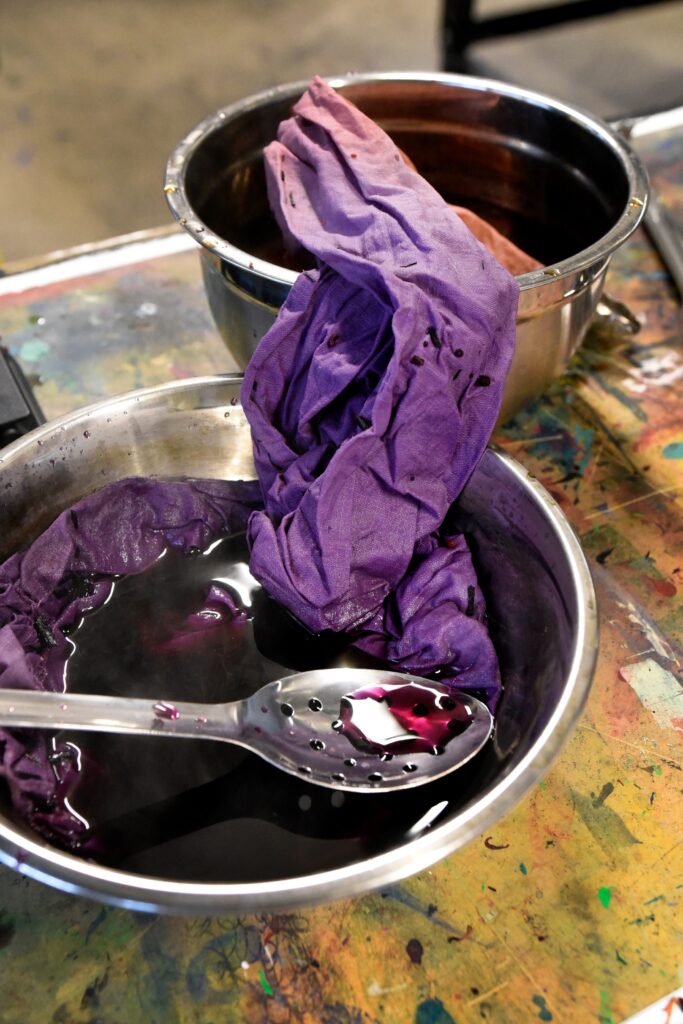
This garden will establish an ongoing cycle of growing, harvesting and dye production, embedding sustainability at the core of the process. A dedicated “Skill Share” group will support bulk dyeing, further strengthening the sense of collective ownership and contribution.
By late summer, the first batch of dyed fabric will be transformed into initial product samples, with a launch planned for early autumn. This moment may also extend into an exhibition-style showcase, bringing together the garden, the workshops and the stories of everyone involved.
Looking Ahead
What is emerging from From Earth to Cloth is more than a product line. It’s a blueprint for how community engagement, sustainability and commercial thinking can work hand in hand.
There is a clear and exciting pathway forming: from engagement, to production, to product, to retail, and beyond.
The energy behind the project is infectious, but equally important is the thoughtful, measured approach being taken at each stage. It’s this balance of ambition and care that gives the project such strong potential for long-term success.
As we look ahead to the next round of Seeds of Change, From Earth to Cloth stands as a powerful reminder of what these projects can achieve. Not just in what they create, but in how they bring people together along the way.
Find out more about Seeds of Change and how you can apply for the 2026 prize fund here.