It’s hard to ignore the role of the smartphone in shaping today’s visitor experience – whether that’s at a museum, a zoo, or a festival.
Drawing on insights from his work across major venues, Archie Wilkinson (pictured right), Co-Founder and CEO of Lifesaver Power, explores how connected behaviours are transforming engagement, commercial performance and the expectations cultural attractions must now meet.

One of the unexpected benefits of running a business that works across visitor attractions, events and venues is the opportunity to observe visitor behaviour in very different environments.
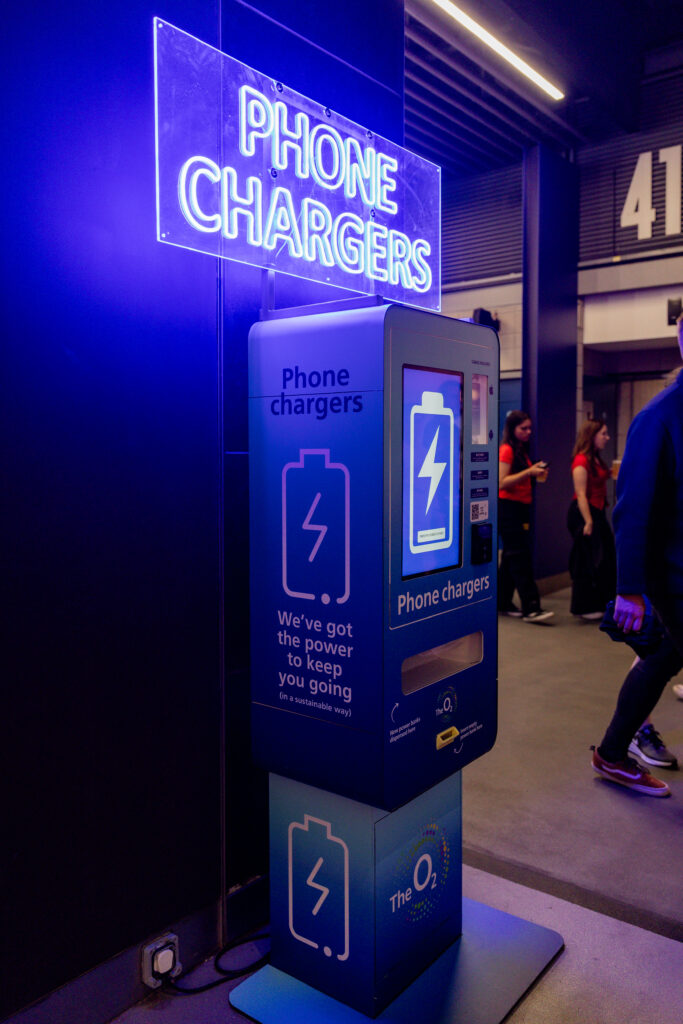
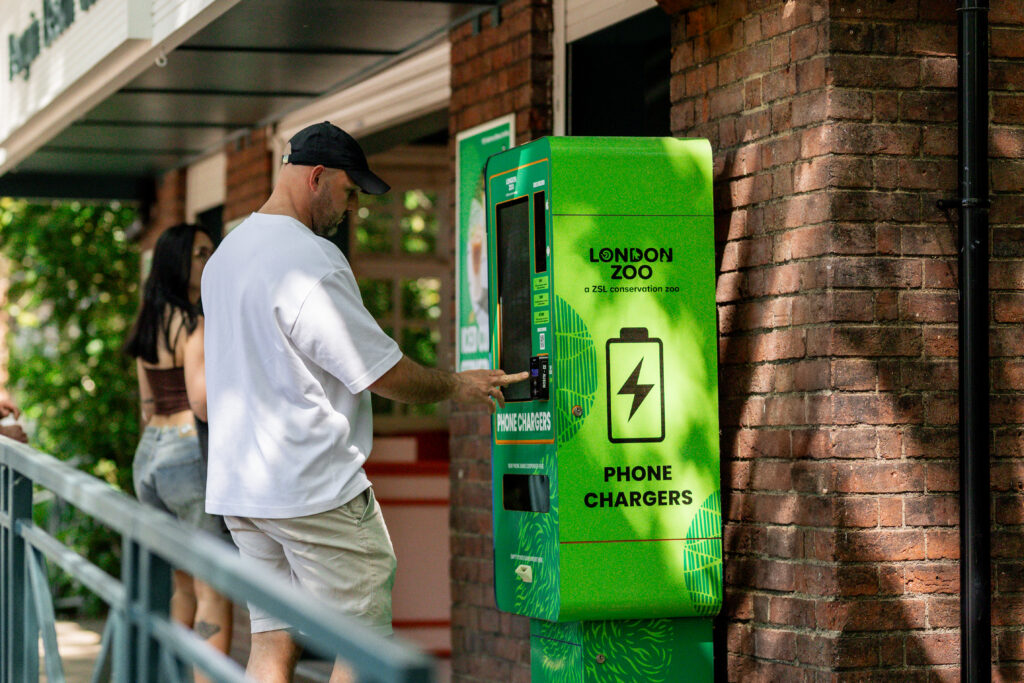
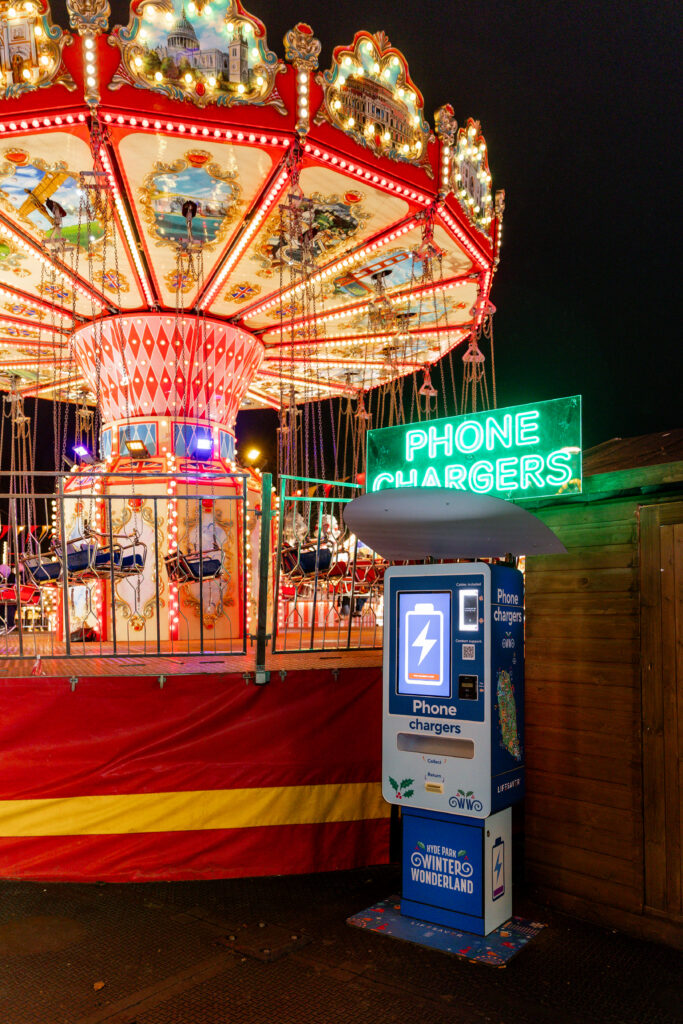
Over the past few years, we’ve worked with organisations as diverse as Colchester Zoo, London Zoo, the O2 Arena, Winter Wonderland, Silverstone and major music venues and festivals. While the audiences are very different, one thing has become increasingly clear: the modern visitor experience is now built around the smartphone.
Whether someone is spending the day at a zoo, attending a sporting event or exploring a cultural attraction, their phone has become central to how they experience that day.
For organisations focused on visitor engagement and commercial performance, that’s creating both opportunities and challenges.
The smartphone has become part of the visitor journey
A decade ago, visitors might have used their phone occasionally to take a photograph. Today, it is often the first thing they use and the last thing they put away.
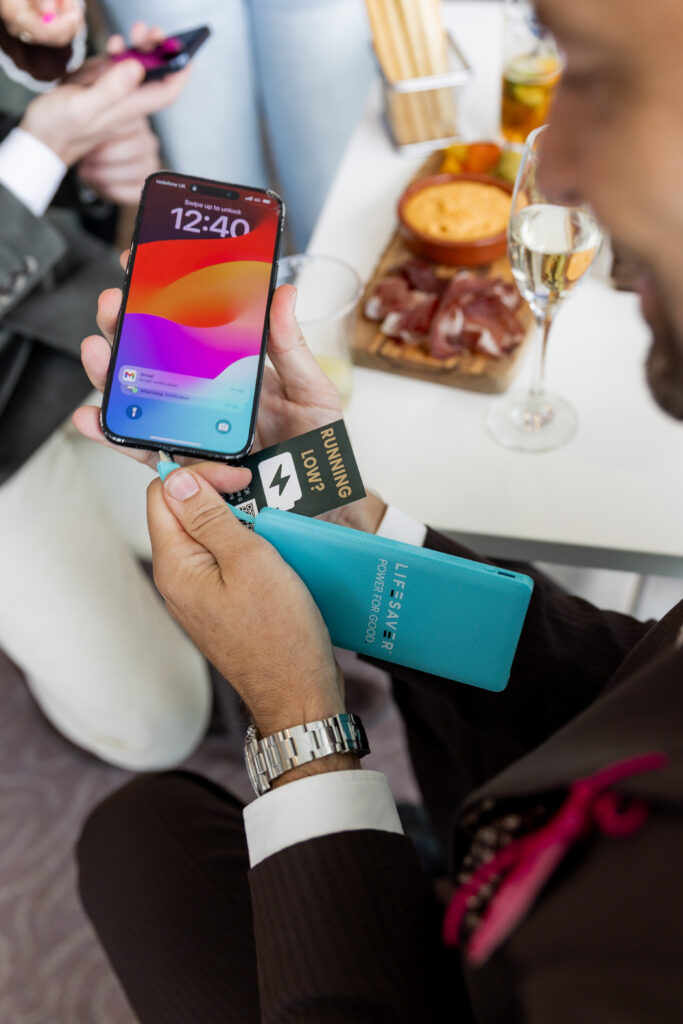
Visitors use their phones to access tickets, navigate sites, take photographs and videos, make payments and share experiences on social media.
One of the biggest changes I’ve noticed is the way attractions are extending experiences beyond physical signage. Museums and heritage sites are using QR codes to unlock deeper stories. Audio tours accessed through visitors’ own devices are becoming increasingly common. Family trails, interactive maps and digital interpretation are helping organisations engage visitors in new ways without the cost of extensive physical infrastructure.
Of course, all of these experiences rely not only on smartphones but on reliable connectivity, whether through venue Wi-Fi or mobile networks.
The smartphone is no longer just something visitors bring with them. Increasingly, it has become one of the ways they experience the attraction itself.
The commercial opportunity
This trend presents significant opportunities for cultural and heritage organisations.
The more connected visitors are, the easier it becomes to engage them throughout their visit. Digital interpretation can encourage deeper engagement. Mobile payments can improve convenience. Social sharing extends reach beyond the venue itself. Most importantly, digital engagement can support longer dwell times and increased visitor spend.
Whether it’s a museum café, a gift shop, a special exhibition or a membership offer, visitors who remain engaged throughout their visit are often more likely to interact with commercial opportunities across the site.
Many attractions have invested heavily in creating these experiences. The challenge is ensuring visitors can continue to access them throughout the day.
Small points of friction matter
Working across multiple sectors has also reinforced another lesson: visitor satisfaction is often shaped by surprisingly small details.
When organisations review visitor experience, attention understandably focuses on major investments such as exhibitions, programming, catering and retail.
But visitors often remember the practicalities. Was it easy to find their way around? Could they access the information they needed? Did the technology work as expected? Were there unnecessary barriers that disrupted the experience?
One factor that is becoming increasingly important is connectivity. Many digital experiences now depend on visitors being able to access reliable Wi-Fi or mobile data. Whether it’s downloading tickets, accessing an audio guide, scanning a QR code, making a payment or sharing content online, poor connectivity can quickly undermine an otherwise excellent experience. As attractions become more digitally enabled, strong Wi-Fi and reliable 4G or 5G coverage are increasingly becoming part of the visitor experience infrastructure rather than simply a nice-to-have.
These seemingly small points of friction can have a disproportionate impact on how visitors feel about a day out.
What other sectors can teach us
One of the most interesting observations from working across zoos, festivals, sports venues and attractions is how similar visitor expectations have become.
Visitors increasingly expect convenience, seamless digital services and easy access to information. In many ways, the cultural sector is facing the same challenges as stadiums, events and entertainment venues. That creates an opportunity to learn from one another.
The best visitor experiences are rarely about a single innovation. They are usually the result of lots of small improvements that make a day easier, more enjoyable and more memorable.
Sustainability remains essential
Another trend we have all noticed across every sector is the growing importance of sustainability.
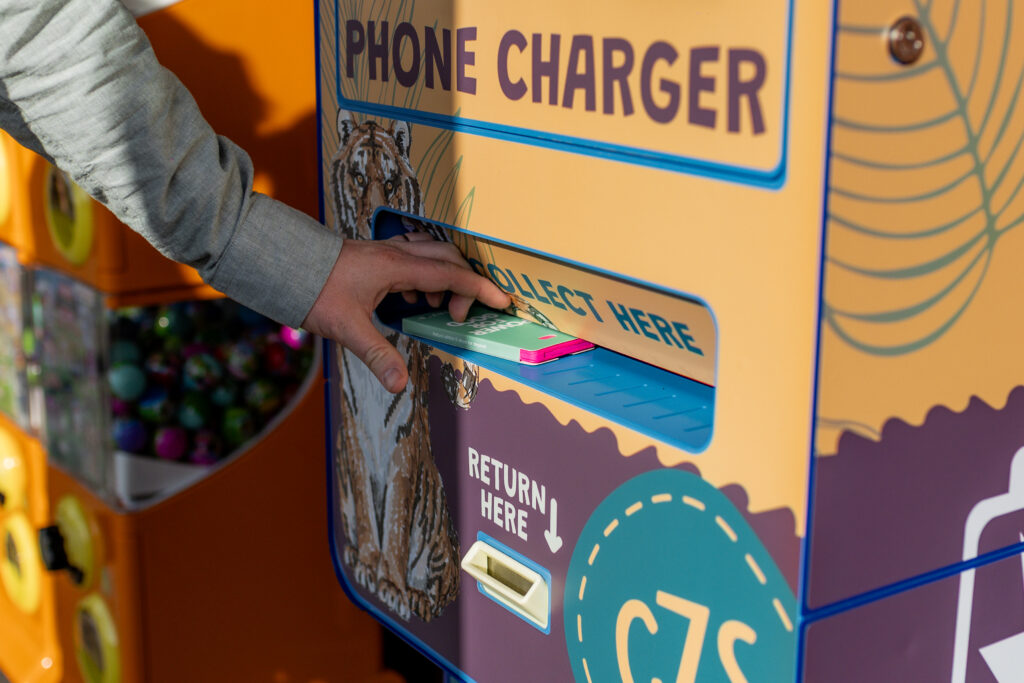
Visitors increasingly expect organisations to balance convenience with environmental responsibility. Whether it’s retail, catering, transport or visitor services, organisations are under pressure to deliver great experiences while reducing waste and improving sustainability.
The most successful organisations seem to be those that view sustainability not as a separate initiative but as part of the overall visitor experience.
Five questions worth asking
For cultural and heritage organisations reviewing their visitor offer, I’d suggest five simple questions:
- How has the role of the smartphone changed in your visitor journey over the last five years?
- Where are visitors relying on digital services during their visit?
- What are the biggest points of friction in the visitor experience?
- What lessons could you learn from other visitor sectors?
- How can convenience and sustainability work together to improve the overall experience?
Looking ahead
Working with organisations across such a wide range of sectors has shown me that visitor expectations are converging.
Whether someone is visiting a zoo, a museum, a heritage site or a major event, they increasingly expect a connected, seamless and convenient experience.
The organisations that continue to thrive will be those that keep adapting to those expectations while remaining true to what makes their visitor experience unique.
Sometimes the most valuable insights don’t come from looking at your direct competitors. They come from seeing how visitors behave elsewhere and asking what lessons might apply to your own organisation.
Find out more at lifesaverpower.com