
Mary Davenport of homewares brand Sophia Davenport Ltd shares why she believes that it’s so important for retail brands to remain true to their core values, and why the role of preservation and sharing is so central to keeping heritage alive – an ethos which aligns perfectly with cultural retail.
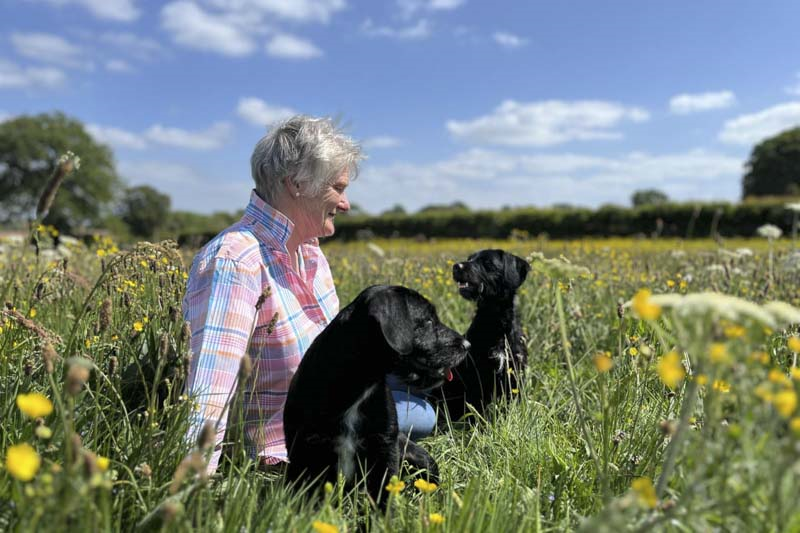
Over a year since I first wrote here on the Cultural Enterprises blog about Retail with Purpose, I believe more than ever that keeping our heritage alive relies on preservation and sharing, an ethos which fits perfectly with sustainable retail objectives.
Reflecting on how our business has evolved during this time, there have been many highs and lows, including the thrill of a large export order and the sadness of seeing our single-source textile manufacturer close down at a day’s notice.
But these experiences have brought home just how important it is to remain committed to our values. With commitment it is possible, and by building new partnerships we have emerged stronger and able to deliver even higher quality.
Industrial heritage at work
The linen union fabric used throughout our textile range is now woven in Yorkshire, printed at a heritage mill in Cheshire, and made up into hand-finished products in Wiltshire. Although using three suppliers instead of one might seem inefficient, it has actually shortened our lead times.
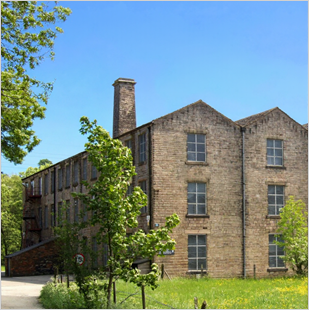
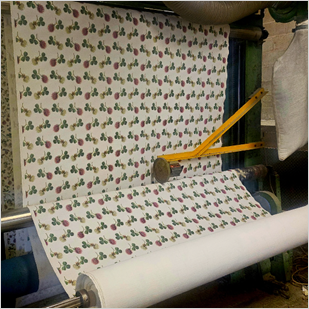
It is immensely rewarding to work with the many talented and enthusiastic British craftspeople to produce our textile ranges, as well as the makers of our fine bone china in Staffordshire and pure glycerine soap in Lancashire.
Rooted in nature
Sophia’s art lies at the heart of every design. Drawing inspiration from her archive, we continuing to create new designs and products that shine a light on endangered species, including the Pasque Flower (Meadow Anemone) and Harebell.
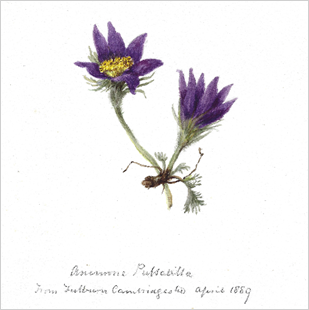
Painted at Fulbourn
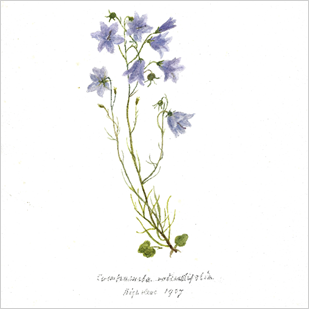
Painted at Highclere
The UK has seen a huge loss of wildflower-rich grasslands – over 97% have disappeared since the 1930s. This has had a major impact on our native pollinators, with three-quarters of butterfly species in decline and significant losses of wild bumblebees.
However, it is wonderful to find that so many Cultural Enterprises members are working actively to address this critical issue. Here are just a few examples that are part of the Coronation Meadows project and wider local and national efforts.
- English Heritage is creating and enhancing meadows at 100 historic sites including castles and abbeys, prehistoric stone circles, and palaces. They are reviving natural meadows which have been lost, and revitalising those that already exist.
- Blenheim Palace has active wildflower preservation and meadow-creation initiatives. One is a dedicated five-year conservation project which has sown millions of seeds and introduced over 70 native British wildflower species including cornflowers, wild strawberries, and cowslips.
- Castle Howard is creating and managing large expanses of wildflower meadows to increase the number of wildflowers and provide more pollen and nectar for bumblebees, hoverflies, butterflies and moths. This produces beautiful displays of flowers during the spring and summer months with, on sunny days, clouds of butterflies.
British-made advantage
We are proud to display our Made in Britain accreditation across our range, and greatly encouraged that buyers increasingly prefer British made products.
This year’s Buying British Survey shows a strong surge in consumer preference for local provenance, driven by trust in quality and a desire to support domestic manufacturing.
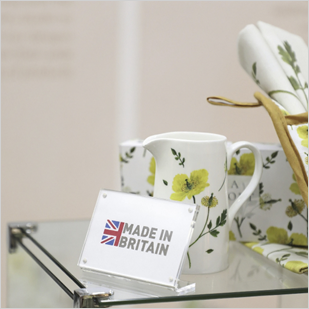
- 70% of shoppers are more likely to buy non-food goods that feature a clear Made in Britain logo – up from 44% in 2025.
- Origin Matters: 86% of UK adults consider a product’s country of origin when making non-food purchases.
- Perceived Quality: one in five consumers rank the UK as producing the best-quality goods globally.
- The Labelling Hurdle: 46% of consumers state they would buy more British-made goods if they were easier to identify in retail environments, and 48% want greater availability of UK-made items on shelves and online.
- Value, not price: While shoppers remain cost-conscious, 77% prioritize product quality above all else when selecting gifts, and over half emphasize thoughtfulness over price.
- Local & Meaningful: There is a growing consumer appetite for local items, with buyers favoring independent shops and small businesses.
Let’s keep Britain’s heritage, craftsmanship and wildflowers flourishing.
About us
Sophia Davenport Ltd creates high quality British homeware for wholesale to discerning retailers around the world. We work closely with our makers to meet individual requirements, and we are always happy to explore options for bespoke items to suit your venue and customer base.
Please visit sophiadavenport.co.uk for more information.
