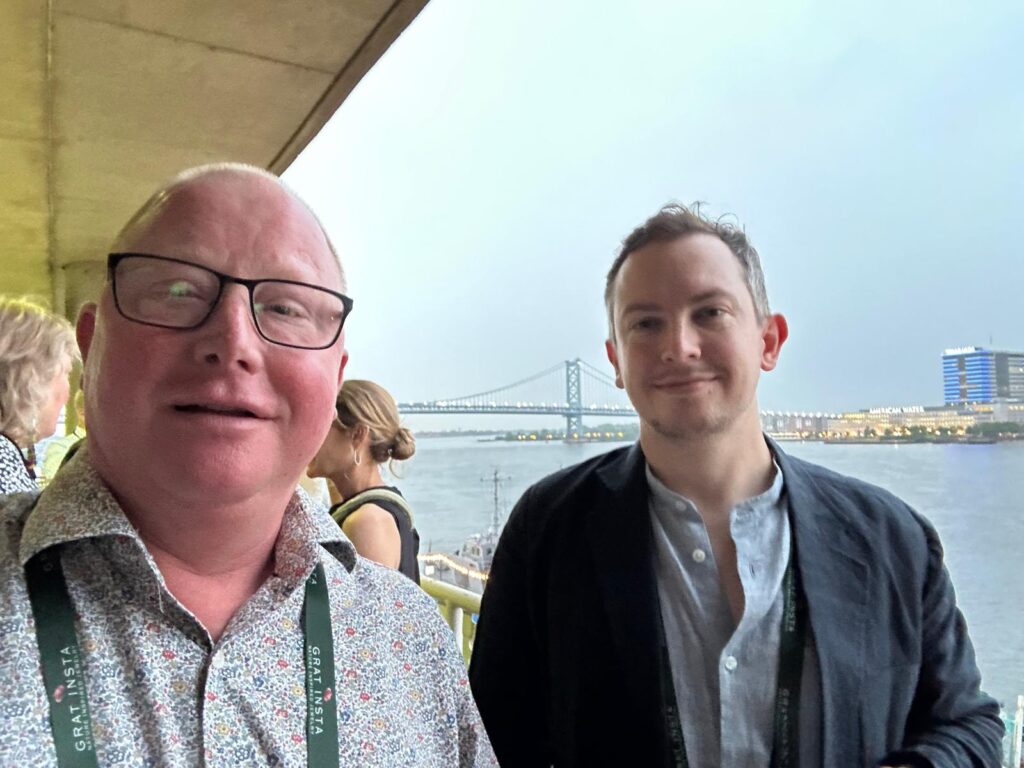
After a packed few days in Philadelphia attending MSA Forward 2026, the Museum Store Association’s annual Conference and Trade Show, one thing feels clearer than ever: the conversations around commercial sustainability, audience engagement and organisational resilience are no longer sitting at the edges of cultural leadership — they are now central to it.
For those unfamiliar with the Museum Store Association, MSA is the leading membership body for cultural retail and commercial professionals across North America, and a long-standing friend and partner organisation of the Association for Cultural Enterprises. In many ways, it is our transatlantic counterpart, bringing together museums, visitor attractions and cultural organisations to explore how retail, visitor experience and commercial activity can support mission-led organisations.
Tom Dawson and I travelled to Philadelphia representing the Association and sharing some of our recent work around the Commercial Performance Barometer and our new report, A Seat at the Table.
A Seat at the Table was developed following a year of research through the Barometer and explores a simple but increasingly important idea: commercial thinking delivers its greatest value when it is involved early in organisational decision-making rather than being treated as a bolt-on. Across the UK, the most successful and resilient organisations increasingly bring together programming, audience insight, visitor experience and enterprise as part of a single conversation.
What struck me throughout the week was how strongly many of the themes we are exploring in the UK resonated with colleagues internationally.
Whether discussions focused on retail, programming, visitor experience, partnerships or leadership, the same underlying challenge kept emerging: how do cultural organisations remain financially sustainable whilst staying true to their mission and purpose?
Encouragingly, the most successful organisations increasingly seem to understand that these things are not in conflict. Commercial thinking is at its strongest when it is embedded within the organisation, helping shape decisions early rather than being added later.
My own session, Mission Meets Margin, explored examples of commercial innovation from across the UK cultural sector and generated some fascinating conversations afterwards. One particularly rewarding moment came later in the evening when someone simply stopped to say the session had been “inspiring”. Something that meant a great deal after many hours of preparation and reflection.
Equally pleasing was seeing Tom’s session so well received. His presentation on how data and audience insight can support smarter retail and commercial decision-making sparked excellent discussion and was a brilliant example of how the Association’s Barometer work is beginning to shape wider sector thinking.
Beyond the presentations themselves, the real value of conferences like MSA often comes in the conversations between sessions, the sharing of ideas, honesty about challenges and generosity between peers. There was a genuine openness throughout the week that felt hugely energising.
A personal highlight was hearing Lycia Lobo from the Design Museum speaking about the power of partnerships and collaboration. It was a thoughtful, intelligent and hugely relevant session which reinforced just how important collaboration is becoming across every part of our sector.
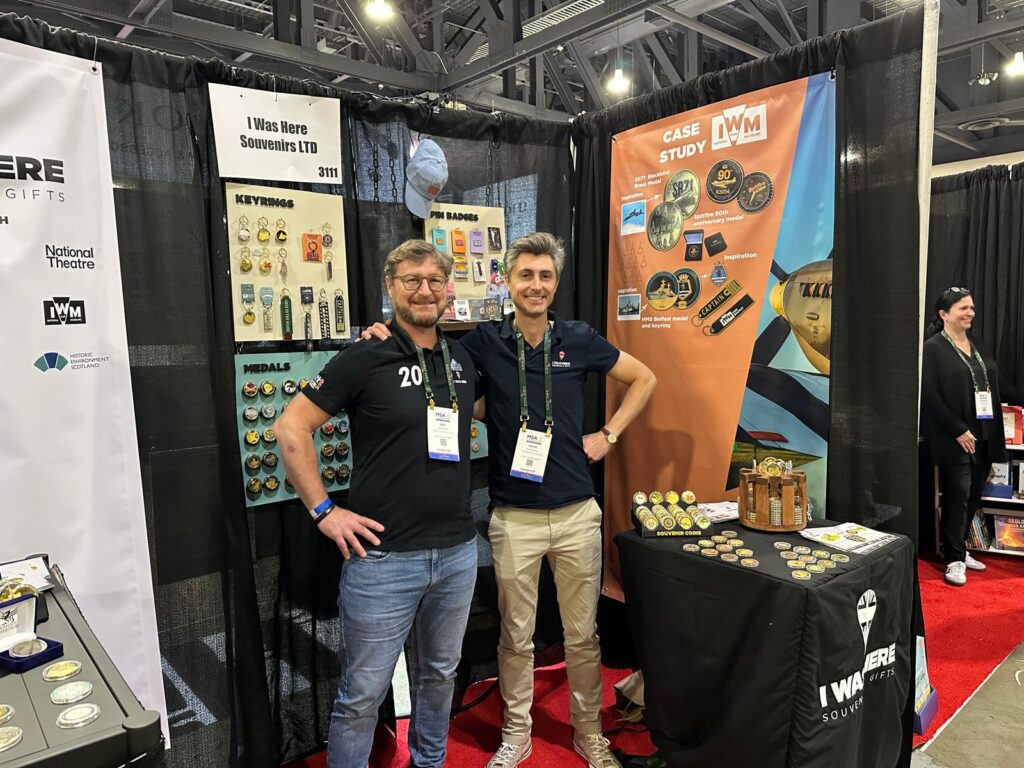
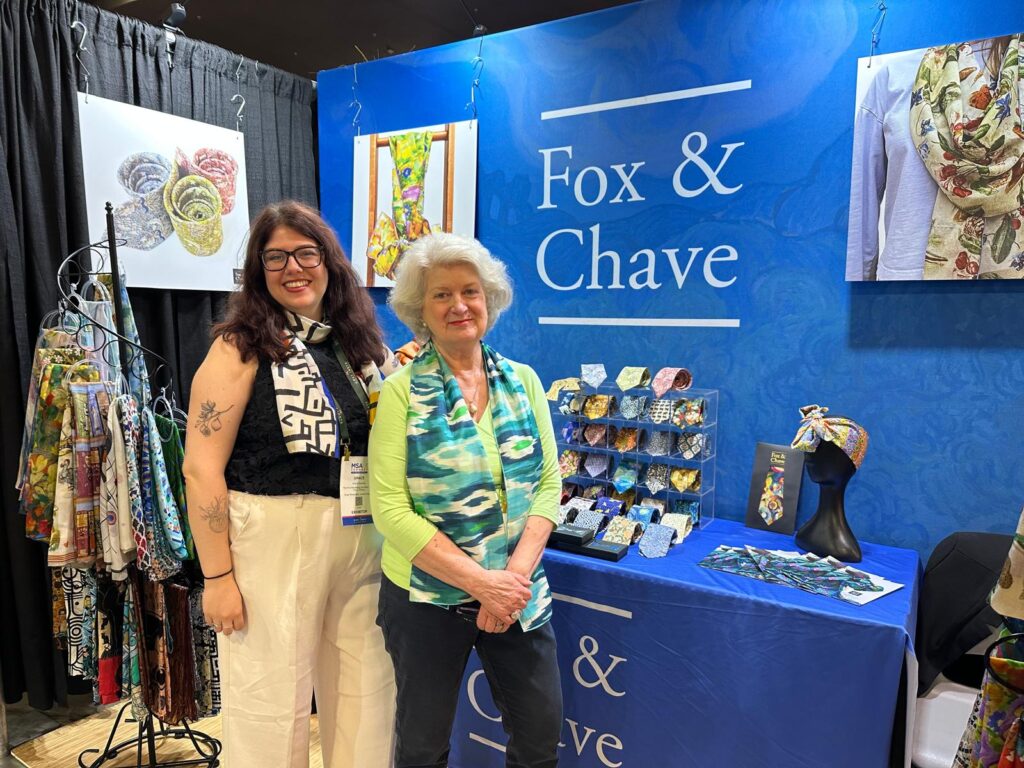
It was also fantastic to see so many familiar UK organisations and Associate Members exhibiting in the trade show, showcasing the strength and creativity of the wider cultural enterprise sector internationally.
Exploring Local Culture
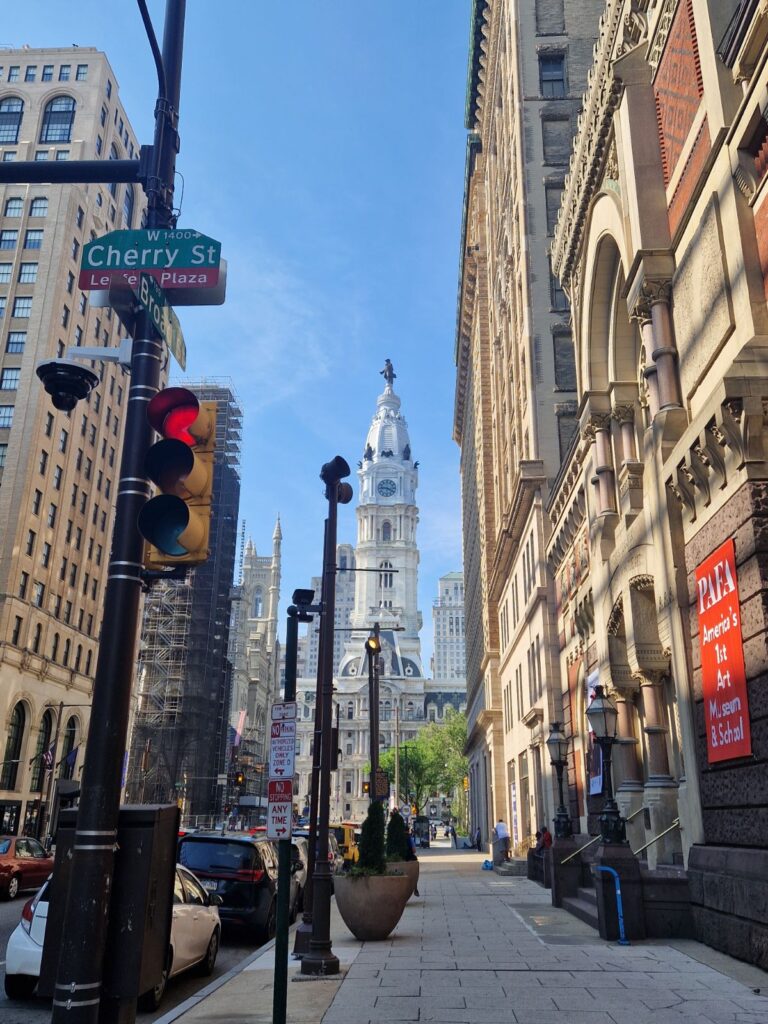
Of course we couldn’t leave Philadelphia without exploring some of its extraordinary cultural offer.
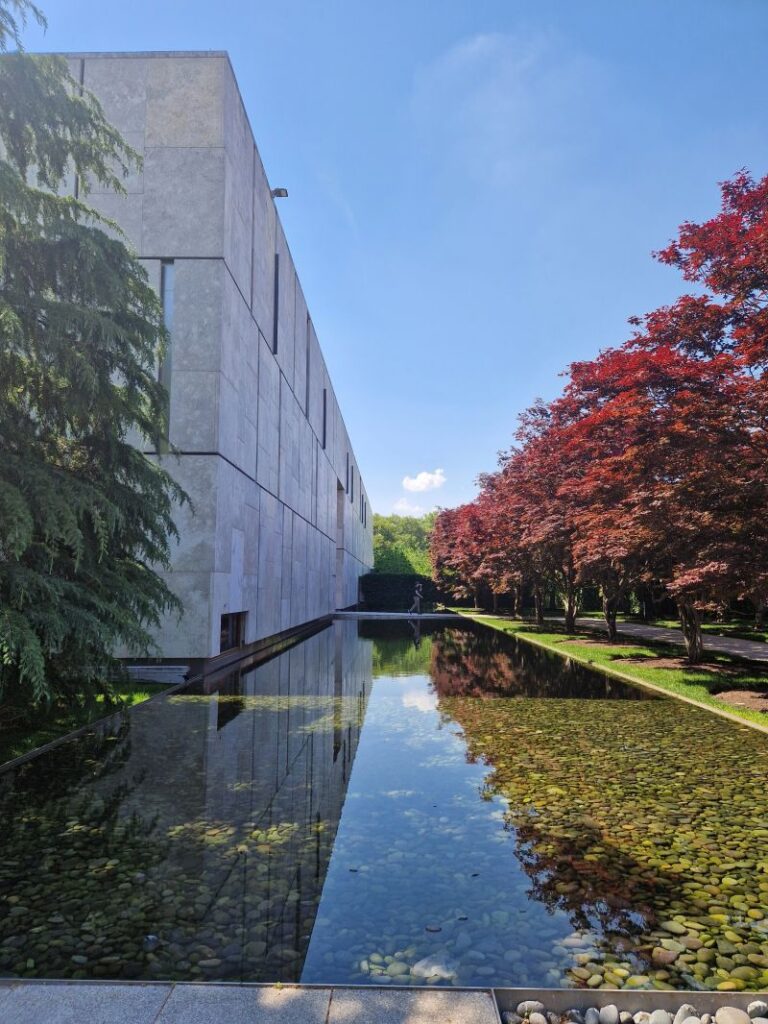
Highlights included the remarkable Barnes Foundation, home to one of the world’s most significant collections of Impressionist, Post-Impressionist and Modern art; a visit to the new Comcast Universal HQ and its immersive How to Train Your Dragon sphere experience; and the fascinating Eastern State Penitentiary, whose interpretation of crime, justice and social history remains one of the most thought-provoking visitor experiences I have encountered.
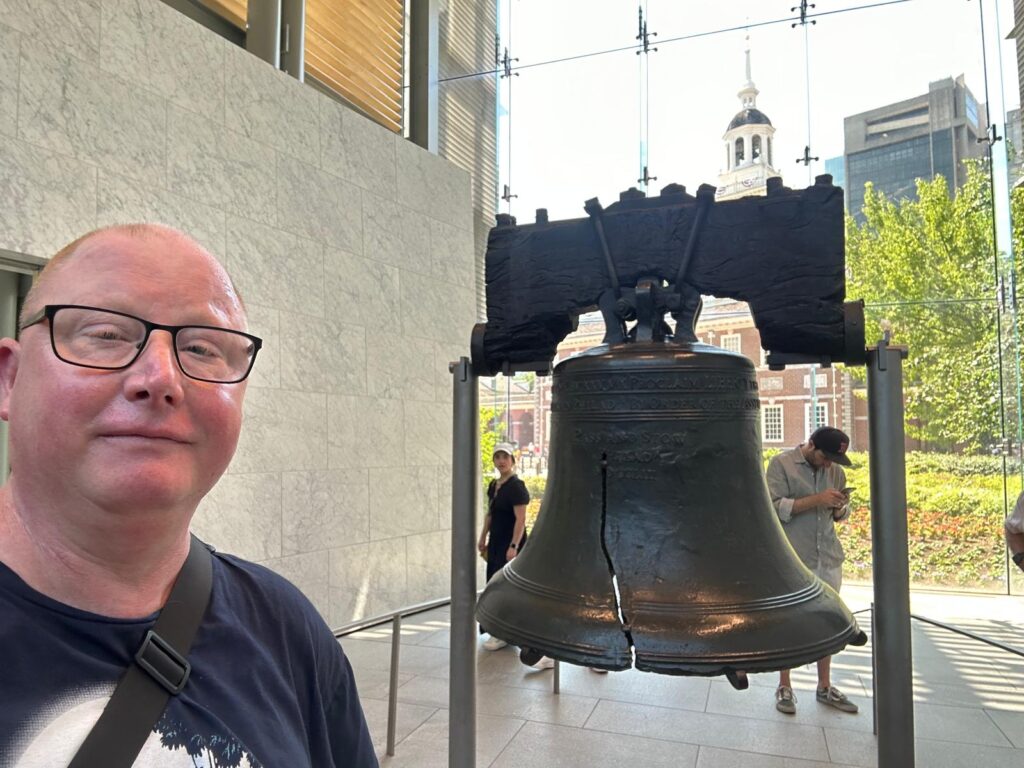
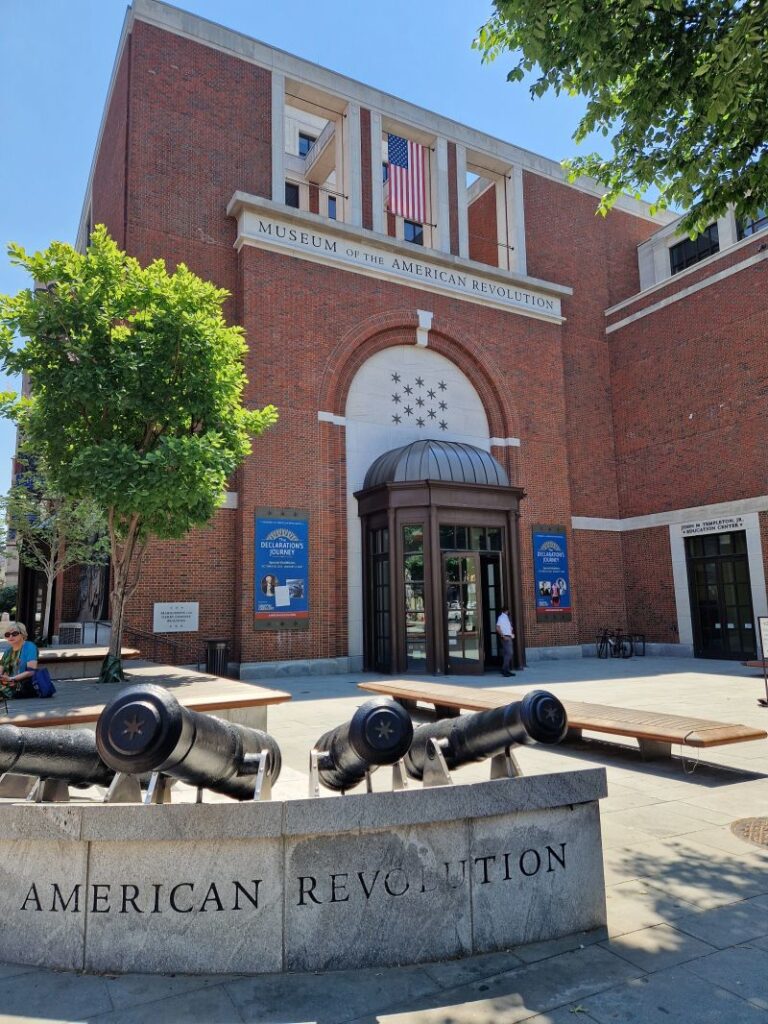
The city itself wears its history proudly. Visits to the Liberty Bell, the National Constitution Center, the Museum of the American Revolution and the Independence Seaport Museum served as a powerful reminder of Philadelphia’s central role in the founding of the United States. Each attraction offered a different perspective on how museums and heritage organisations can bring national stories to life for contemporary audiences.
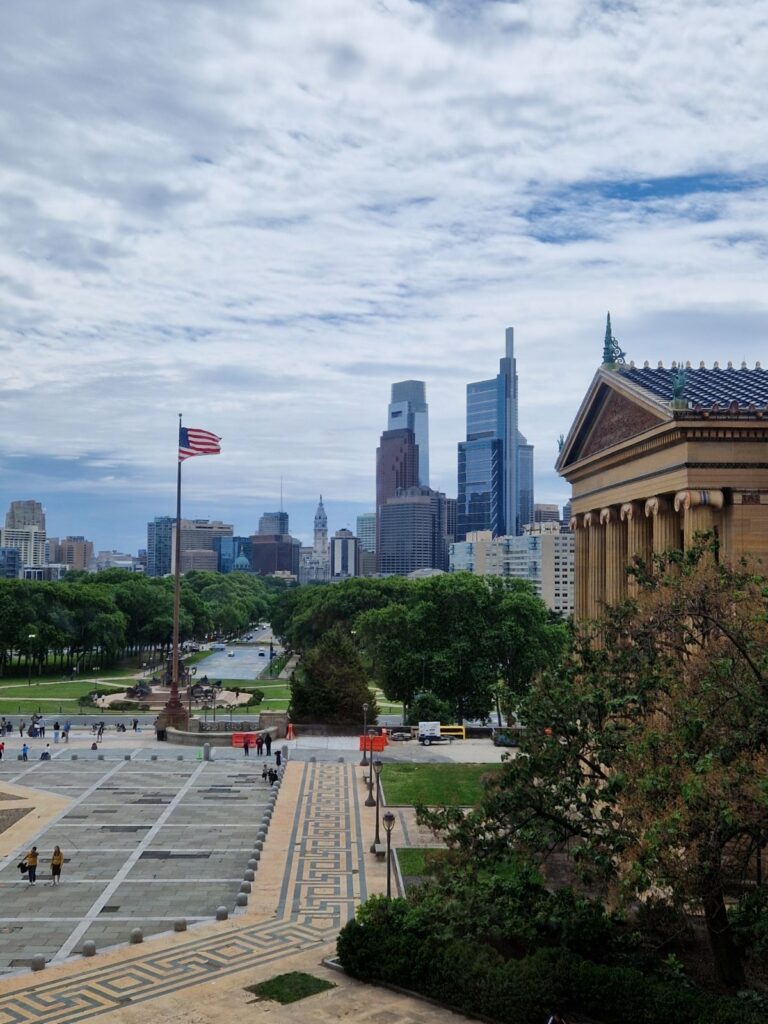
And of course, no trip to Philadelphia would really be complete without finally visiting the Rocky Steps at the Philadelphia Museum of Art — a slightly surreal moment for someone who still considers Rocky II one of the greatest films ever made.
As we return to the UK, the biggest reflection I’m bringing home is this: the organisations that will thrive in the years ahead are unlikely to be those that see commercial activity as separate from their mission. Instead, they will be the organisations that successfully connect audience insight, programming, visitor experience, partnerships and enterprise as part of a single strategy.
Commercial thinking is no longer a bolt-on. It needs a seat at the table.
And judging by the conversations taking place on both sides of the Atlantic, that future has already begun.