
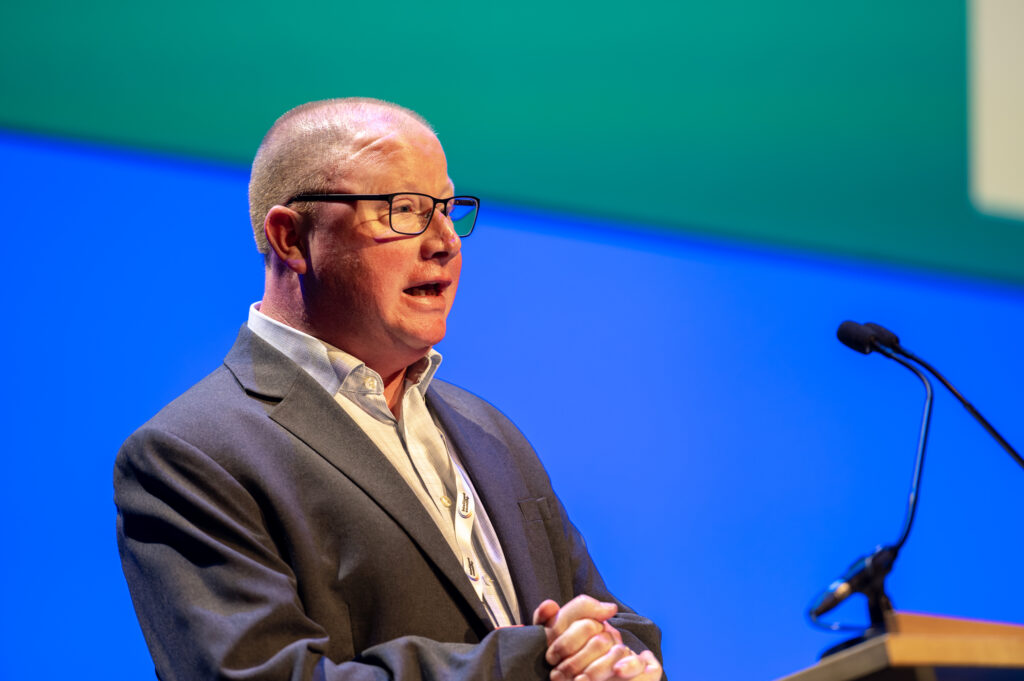
A change in national leadership offers an opportunity to think differently about the role that culture plays in the country’s future. Paul Griffiths, Chief Executive of the Association for Cultural Enterprises, offers his reflections on a moment for culture.
A change of Prime Minister always creates an opportunity – not simply to review policies, but to reconsider the priorities that shape the country’s future and where government can make the greatest difference over the years ahead.
Economic growth, public services, housing, skills and international affairs will rightly dominate the agenda. But my hope is that this moment also prompts a renewed conversation about the role culture can play in the country’s future.
Not because culture is asking for special treatment, but because I believe it has an even greater contribution to make than is sometimes recognised.
Having spent more than 30 years working across museums, heritage sites, visitor attractions and cultural organisations, I’ve had the privilege of witnessing first-hand the extraordinary contribution our sector makes every single day. Here at the Association for Cultural Enterprises, we see clearly how enterprise, innovation and public purpose work together to strengthen cultural organisations, the communities they serve, and the places they help define.
We preserve our nation’s stories. We inspire curiosity and learning. We bring communities together. We attract visitors, create jobs, support local businesses and help shape places where people want to live, work and invest.
Culture doesn’t simply enrich our lives – it helps build successful places.
We’ve seen what this looks like in practice. Greater Manchester has shown what can happen when culture becomes part of a city’s wider ambition – not simply enriching people’s lives, but supporting regeneration, attracting investment, strengthening the visitor economy and building civic pride. It shows that when culture helps shape a place’s identity and future, the benefits extend far beyond the cultural sector.
That is why this moment presents an opportunity to move beyond seeing culture as a discretionary area of public spending, and instead recognise it as one of the foundations of thriving places, stronger communities and sustainable economic growth.
If this moment is to become a lasting opportunity, I believe there are five shifts in thinking that could make a real difference.
See culture as an investment, not simply a cost
Too often culture finds itself discussed through the language of budgets, subsidy and expenditure. Yet every day, cultural organisations quietly generate value that extends far beyond their own walls.
They attract visitors who support local economies. They regenerate historic buildings and neglected places. They provide educational opportunities that inspire future generations. They improve wellbeing, strengthen communities and create pride in place.
The most successful towns and cities understand this instinctively. Culture is not simply something nice to have once everything else has been funded. It is one of the key factors that help successful places flourish.
Give organisations the confidence to think long term
One of the privileges of working in this sector is the long-term perspective it gives you. Cultural organisations don’t think in electoral cycles. They care for collections that have survived centuries. Buildings that will outlive us all. Stories that deserve to be passed from one generation to the next.
That perspective naturally encourages decisions that look beyond the immediate. But confidence matters – when organisations have confidence, they invest, innovate and take considered risks. When uncertainty dominates, ambition inevitably becomes more cautious.
Government cannot remove every uncertainty, but it can create an environment that gives organisations the confidence to plan, invest and collaborate for the long term.
Champion enterprise alongside public investment
One of the biggest changes I’ve witnessed during my career has been the growing confidence with which cultural organisations embrace enterprise. Retail, catering, venue hire, commercial partnerships, fundraising, philanthropy and digital innovation are no longer seen as distractions from public purpose. Increasingly, they help deliver it.
Enterprise is not about replacing public investment, nor is it a silver bullet. It is about creating stronger, more resilient organisations that are better able to fulfil their charitable purpose and public mission.
Enterprise doesn’t diminish culture – it strengthens it. When organisations become more resilient, they are better able to fulfil their public purpose.
Government has an opportunity to recognise enterprise not as an alternative to investment, but as an essential part of a resilient cultural ecosystem.
Join the dots
One lesson I’ve learnt throughout my career is that culture rarely delivers its greatest impact in isolation. Its influence extends into tourism, education, health and wellbeing, regeneration, economic development, and the visitor economy.
Some places understand this exceptionally well. Culture is woven into their wider ambitions and becomes part of how they attract investment, support businesses and create thriving communities.
But too often these conversations happen in separate departments. In reality, they only succeed when they are viewed together. Imagine the impact if that same joined-up thinking became the norm across national policy.
Invest in people
Buildings matter. Collections matter. But people matter most.
Behind every museum, gallery, heritage site and cultural organisation are talented people whose expertise, creativity and commitment bring those places to life.
If we want resilient organisations, we must continue investing in leadership, professional development, commercial capability and the next generation of cultural talent. Because confident organisations are built by confident people.
Looking ahead
One of the things I admire most about our sector is its optimism.
Even in the face of financial pressures, changing visitor expectations and increasing demands, cultural organisations continue to innovate, collaborate and find new ways to serve their communities.
They’re not waiting for government to solve every challenge. They’re already adapting, finding new ways to generate income, building partnerships, embracing technology, and demonstrating remarkable resilience.
What they hope for is a policy environment that recognises their efforts and commitment, and understands that culture is not simply about preserving the past, but about helping shape the future. An environment that values enterprise alongside public investment, and gives organisations the confidence to think long term. If this moment of change creates that confidence, the benefits will be felt far beyond our sector.
Having seen that approach succeed in Greater Manchester, I hope the same confidence in culture and place can increasingly shape national thinking. Because when cultural organisations thrive, communities thrive. When communities thrive, places thrive. And when places thrive, the country thrives.
Culture has always helped tell Britain’s story. With the right confidence and ambition, it can also help write its next chapter.
