
It was no small irony that we chose one of the hottest days of the year to visit The Art House in Wakefield to see how its prize-winning Seeds of Change project, From Earth to Cloth, is taking shape.
The impact of the heatwave was evident throughout our visit. Both Wakefield venues we visited reported quieter visitor numbers, and at The Hepworth Wakefield, Head Gardener Katy Merrington had made the decision to call off gardening activities for volunteers because of the heat.
These experiences reflect a wider challenge facing the cultural sector. Our Commercial Performance Barometer found that footfall to member venues was 3% down during the first two quarters of 2026 compared with the same period in 2025, with extreme and unpredictable weather having a significant impact.
With the effects of climate change becoming increasingly visible, the need to build more sustainable and resilient ways of working feels more urgent than ever. So, what role can projects such as From Earth to Cloth play?
From garden to garment
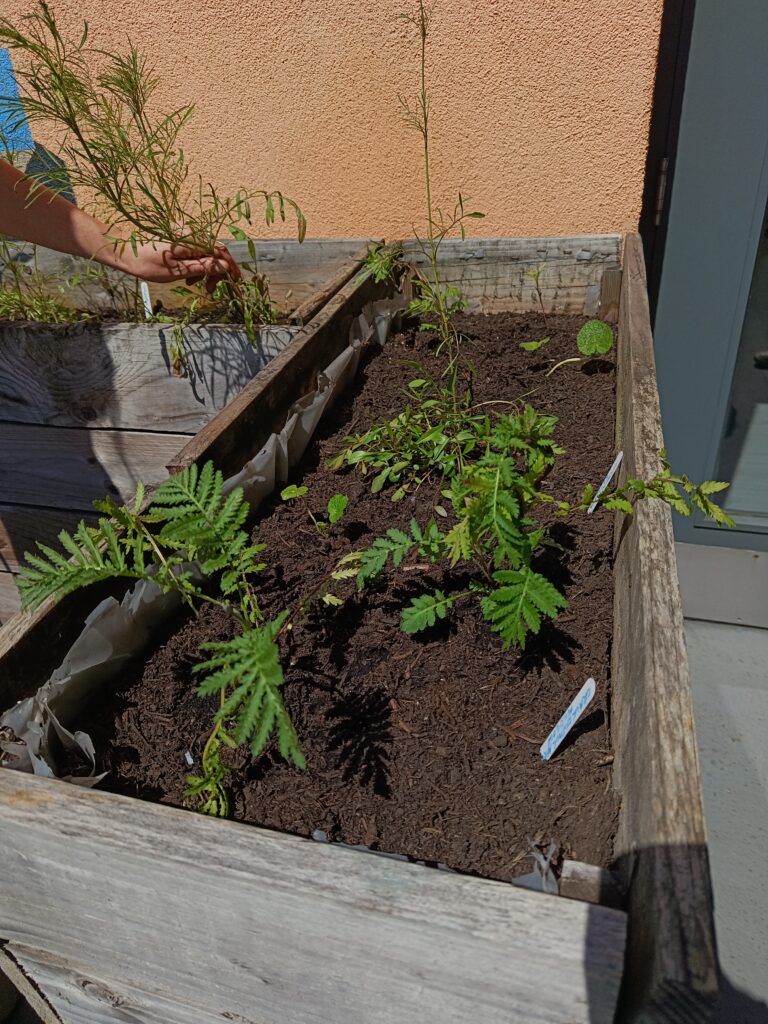
During our visit to The Art House, we began by exploring the urban dye garden, where plants and seeds are being grown specifically for use as natural dyes. Established UK-grown plants have supported the project’s first crops while seedlings develop, allowing the team to begin harvesting and establish a cycle that can continue into the future.
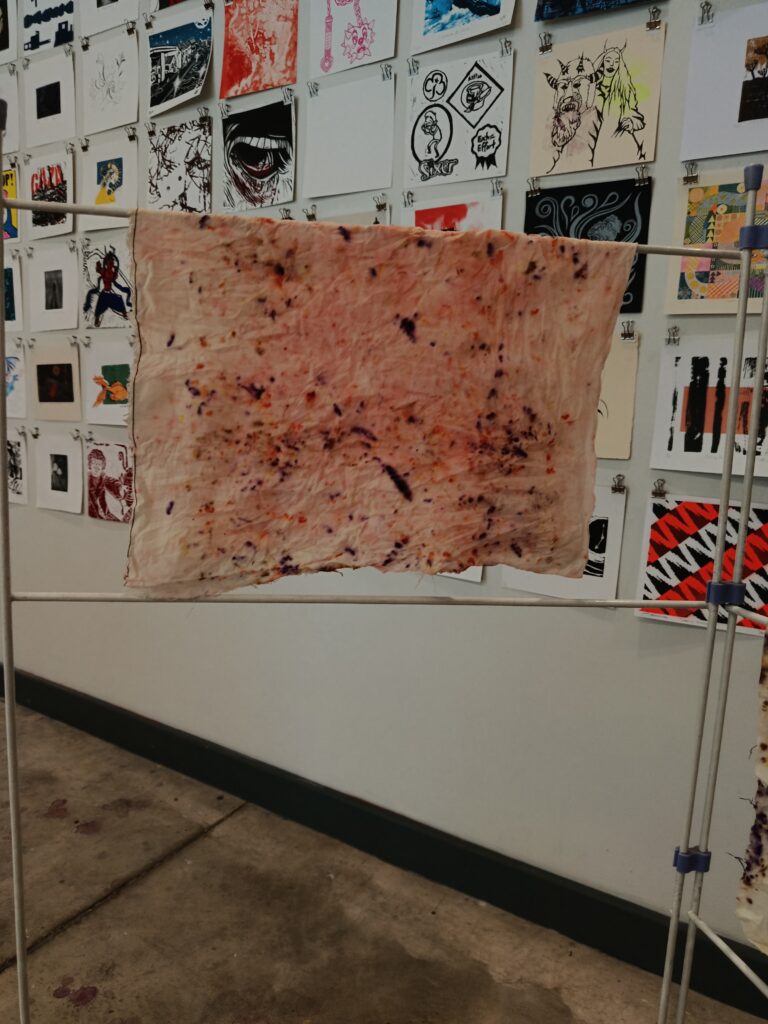
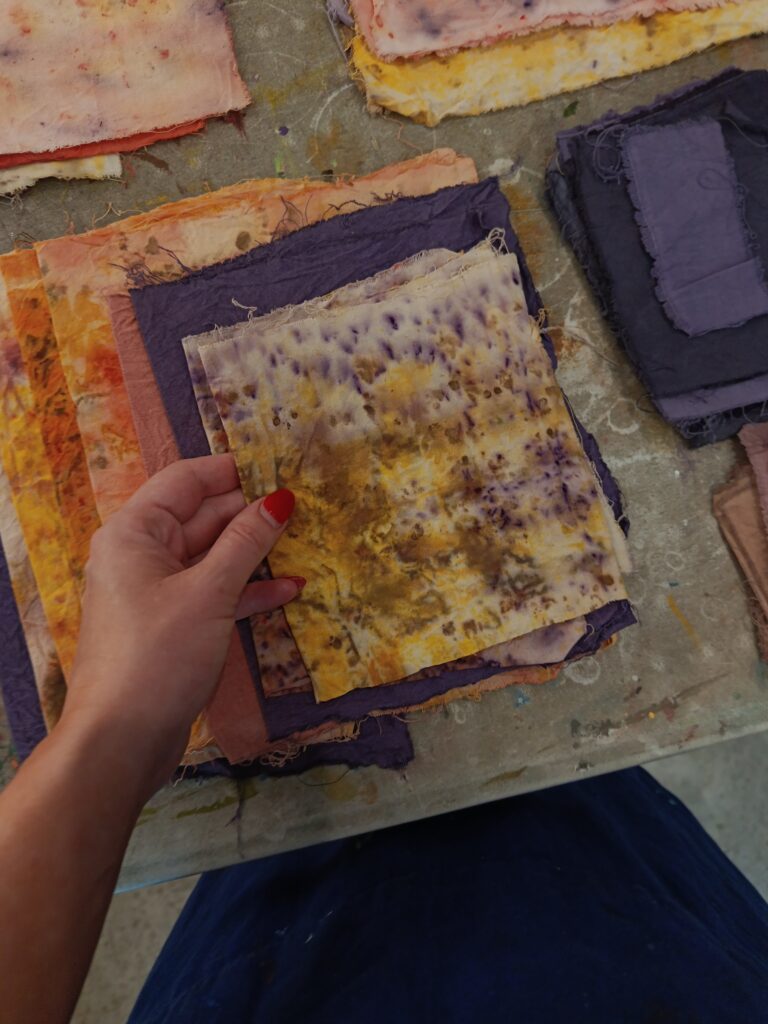
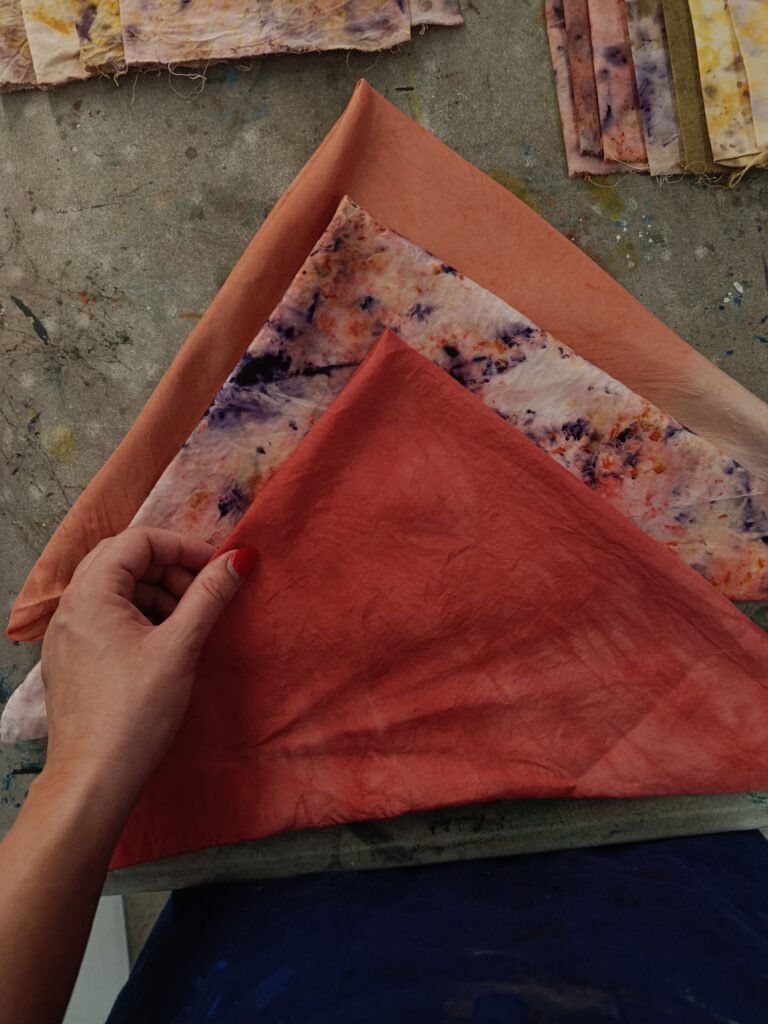
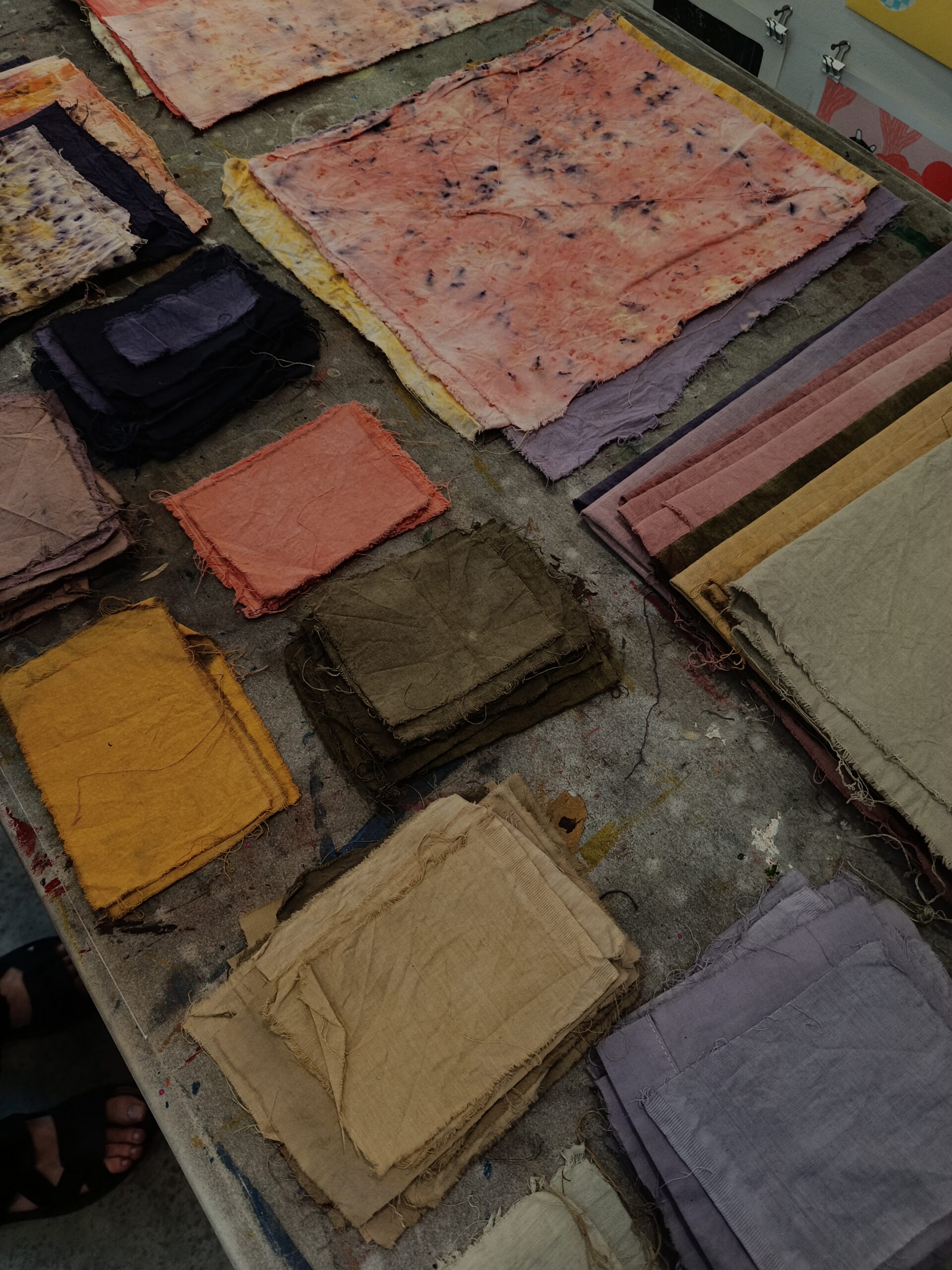
From there, we headed into the dye studio, where we saw the fabrics that had been prepared during the first round of workshops led by textile artist and printmaker Kirstie Williams. These hand dyed fabrics will eventually be transformed into a range of home and gift products by local tailor Hamid.
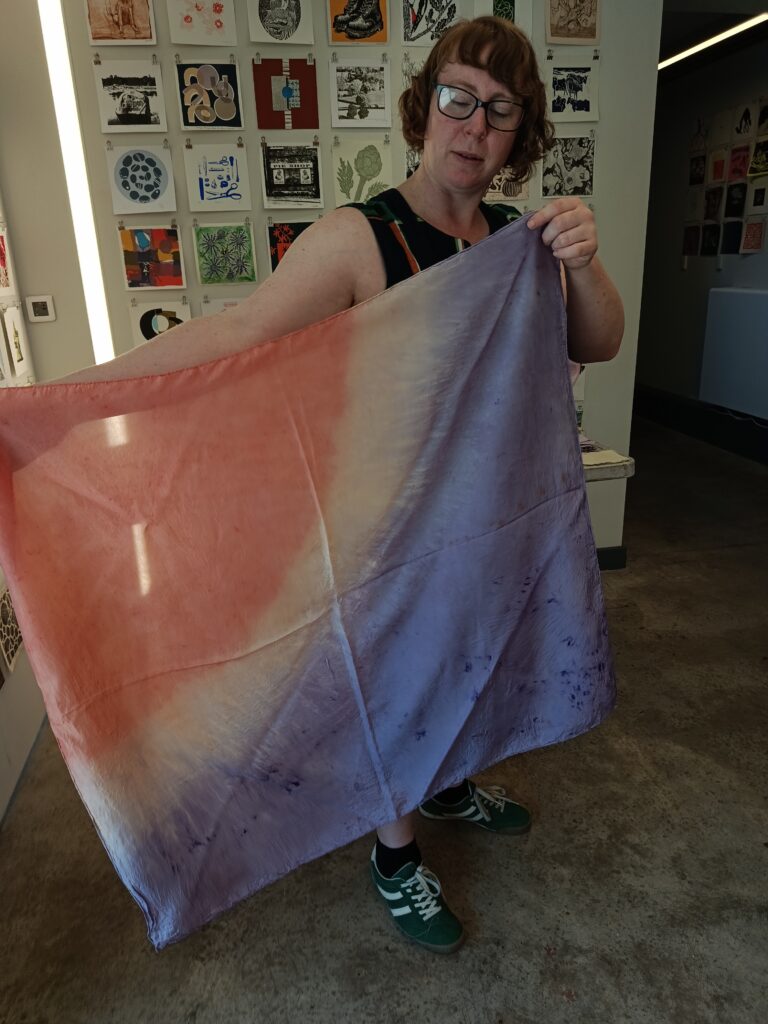
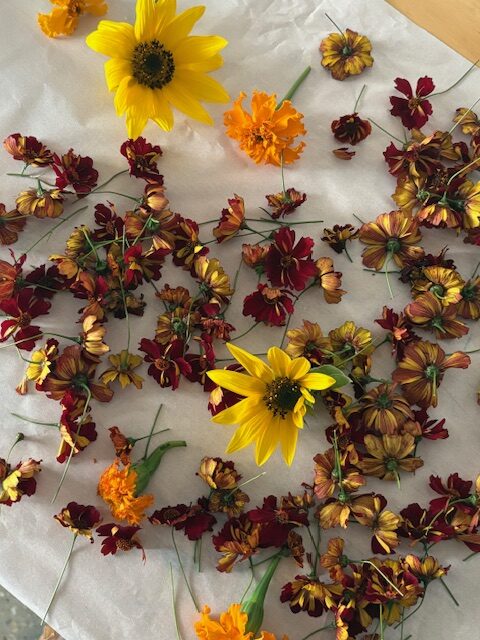
We were introduced to an incredible variety of natural materials that had been foraged, collected and dried ready for dyeing. Marigolds, onion skins, madder root and even tree bark can all produce remarkably different colours and effects.
Kirstie also shared her collection of books and her own recipe and sample books, demonstrating just how much experimentation goes into understanding the colours different plants can produce.
Then it was our turn to get involved….
Getting hands-on
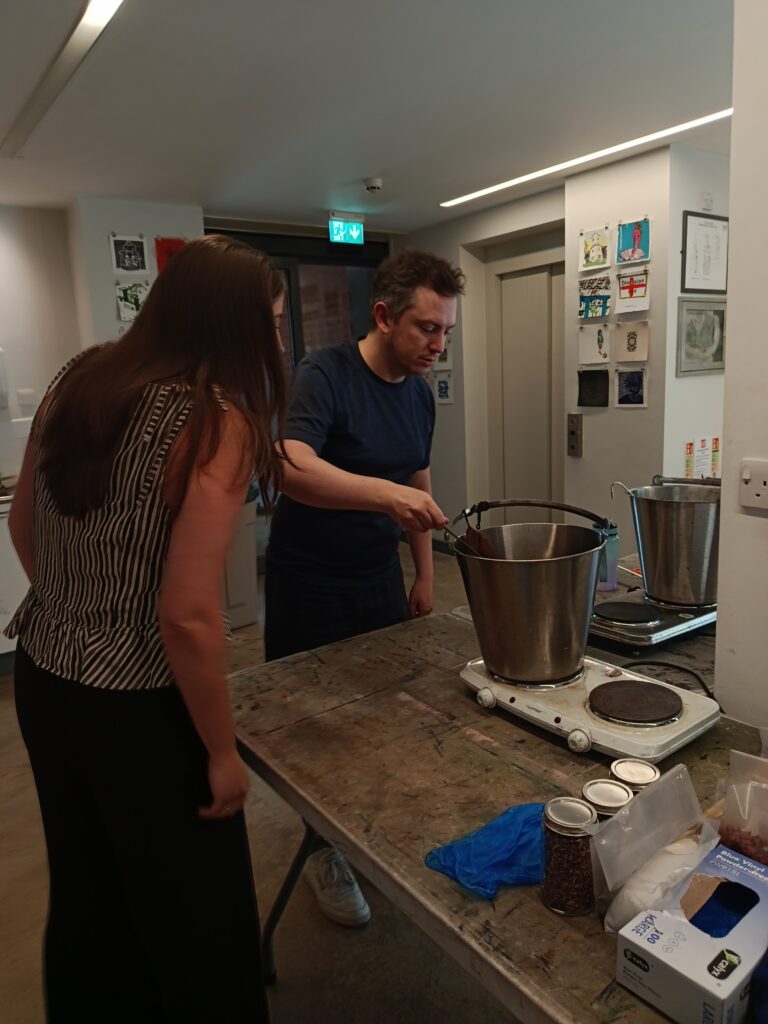
We started by learning how different natural dyes respond to fabrics and mordants. Mordants, mineral salts dissolved in warm water, help natural dyes bind to fabric, with different solutions affecting the final colour and vibrancy.
Once our fabrics had spent enough time in their mordant baths, conveniently giving us time to sample lunch from The Art House’s bustling café, we returned to the studio to begin dyeing.
Each of us experimented with our own combination of dried plants, scattering them across pieces of linen before tightly rolling the fabric into small parcels, tying them with string and steaming them.
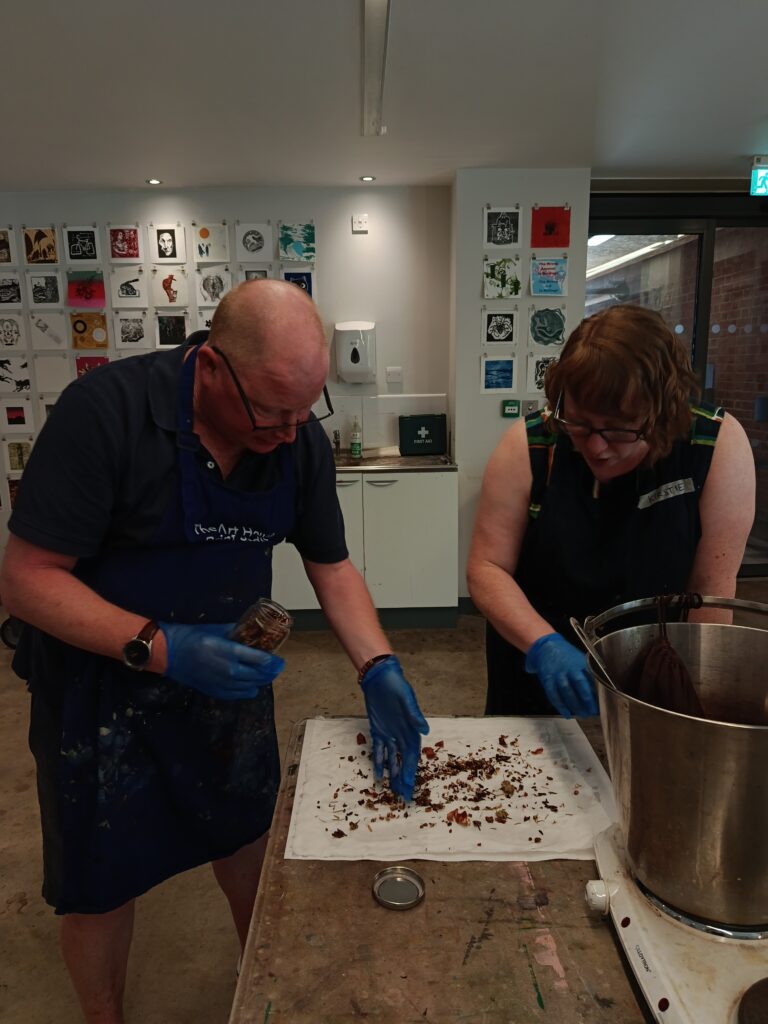
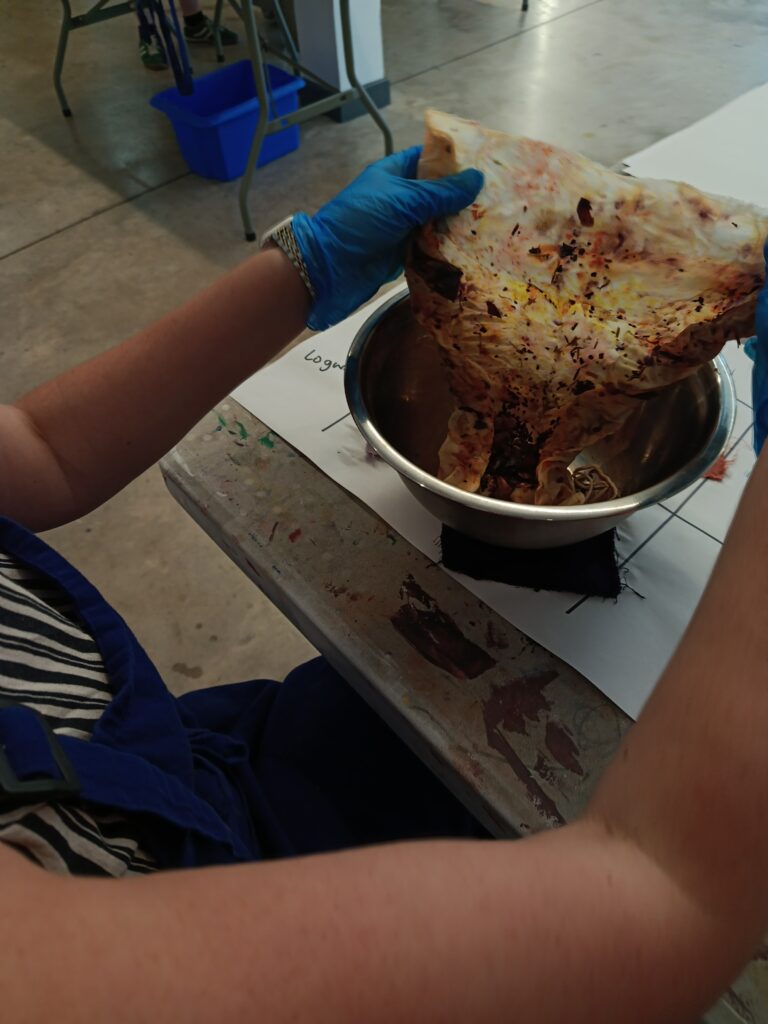
Then came the exciting part: unravelling our creations.
Each piece was completely different, revealing a beautiful palette of soft, natural colours that will ultimately help inform the project’s finished product range.
Even the materials left behind have further life in them. The dried flowers can be reused for future dyeing before eventually being responsibly disposed of or composted, creating a much more considered lifecycle for the materials involved.
Small changes, bigger impact
We all left The Art House feeling that we had learnt a surprisingly simple but valuable skill – and with a much greater appreciation of the possibilities natural dyeing could offer the cultural retail sector.
From Earth to Cloth is also a reminder that sustainability doesn’t always have to begin with a huge organisational transformation. It can start with asking different questions: Where have our materials come from? Could something be sourced more naturally or locally? Could a waste product become a resource? Could we ask our suppliers to help us make a better choice?
Projects like this give us an opportunity to experiment, learn and, importantly, share those lessons with the wider sector.
What happens next?
Since our visit, the From Earth to Cloth project has continued to gather pace.
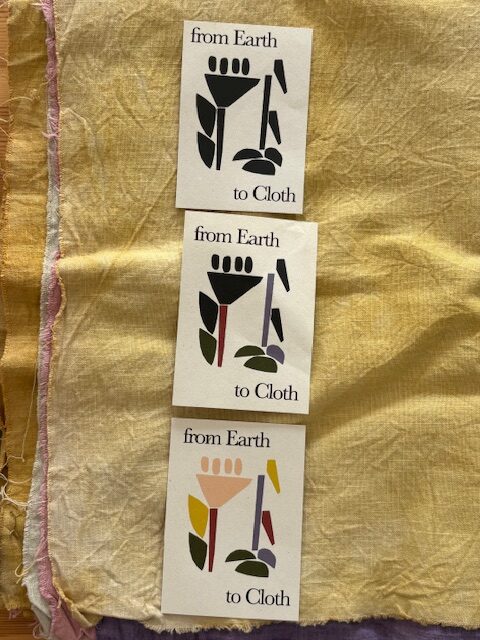
Laura Taylor and the team have been developing the branding and organising the different fabrics and colours into product packs ready for local tailor Hamid to begin sewing. The first napkin and cushion samples are expected soon, giving us an exciting first glimpse of how the naturally dyed fabrics will translate into finished retail products.
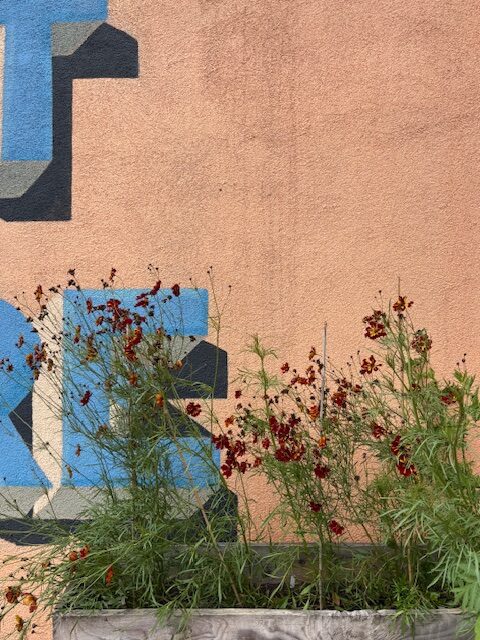
Despite the summer heat, the dye garden is also flourishing, with a healthy crop of flowers ready to be harvested for the next dyeing sessions. The team will be working with Kirstie to dye larger quantities of fabric, ensuring there is enough to produce the planned product range.
From seed to flower, to dye, to fabric and finally to a product on the shelf, we’re looking forward to seeing the next stage of From Earth to Cloth’s journey.
And the Seeds of Change story doesn’t stop there. We’ll shortly be announcing the finalists for this year’s Seeds of Change Prize Fund, selected from another fantastic collection of creative, ambitious and innovative ideas for a more sustainable cultural sector. Watch this space!
