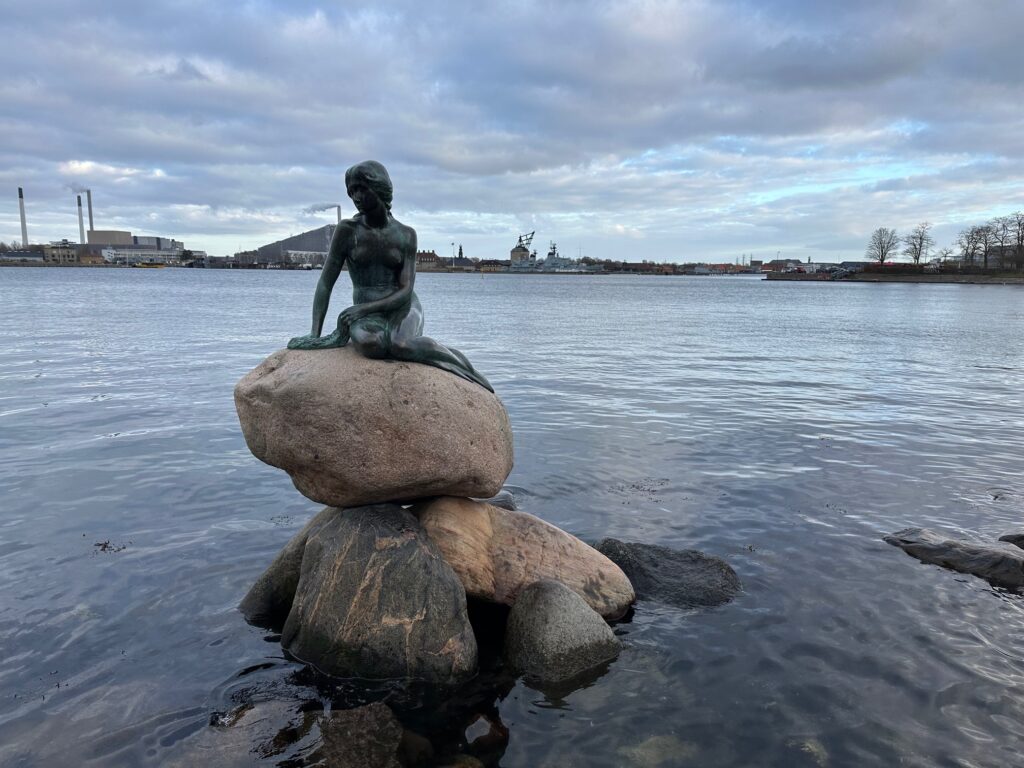
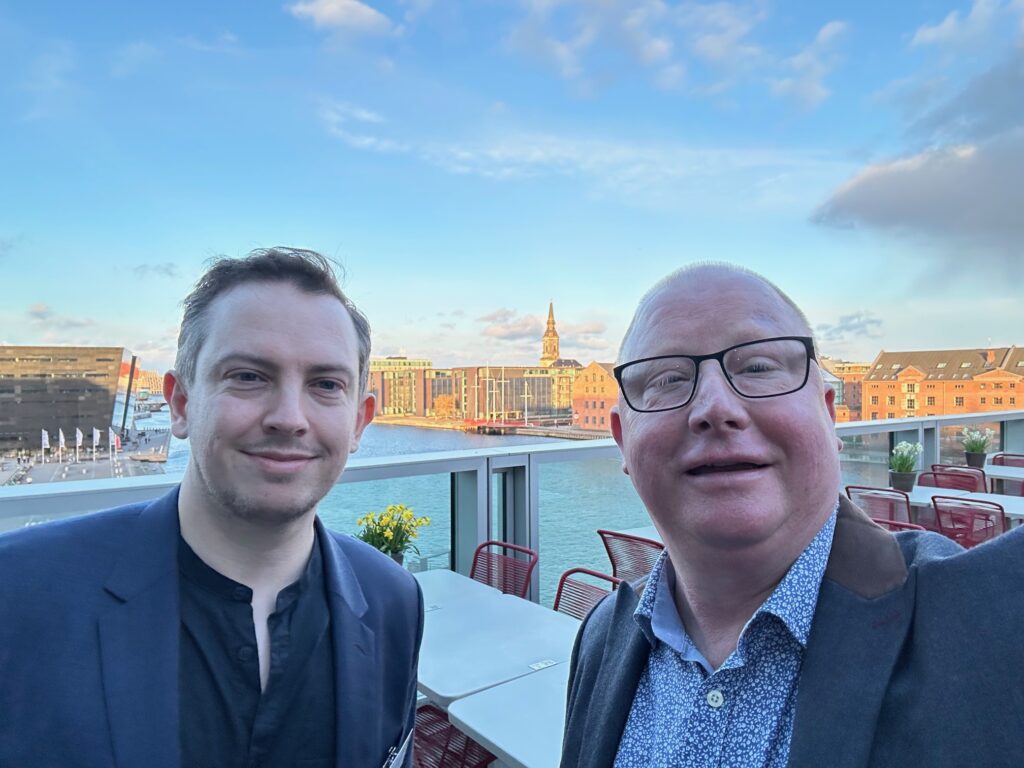
Last week, Tom Dawson and I had the pleasure of joining colleagues from across Europe in Copenhagen for KulturKraft with our international partners BARC Scandinavia, a thoughtfully curated and energising conference bringing together cultural organisations and partners to explore the future of our sector.
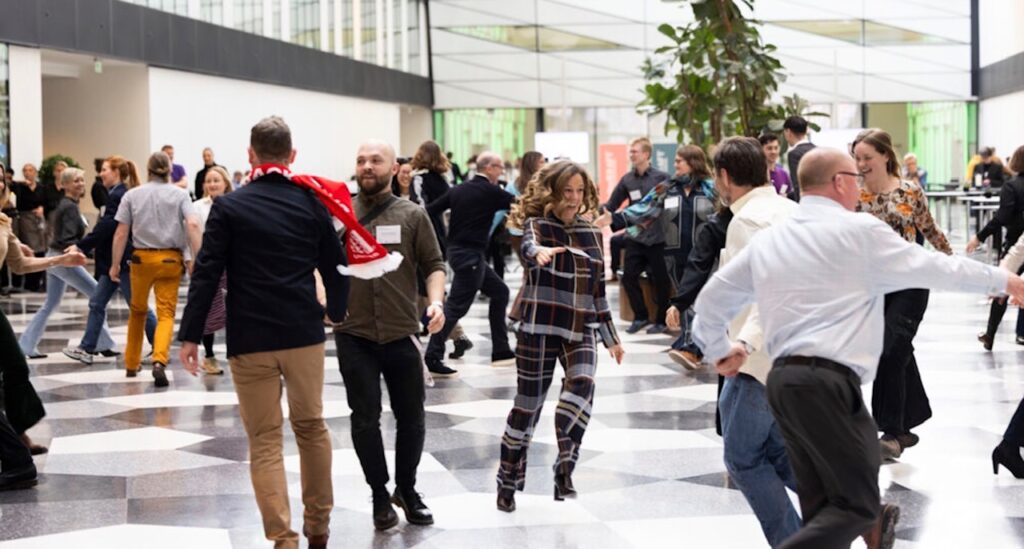
From the opening reception through to a packed programme of sessions, discussions and even a little Danish folk dancing (!), what stood out most was the shared sense of purpose and common challenge across borders.
A Shared Challenge Across Europe
Regardless of geography, the themes were strikingly consistent.
Cultural organisations are increasingly navigating a complex landscape, balancing purpose, creativity and public value with the very real pressures of financial sustainability, workforce capacity and changing audience expectations.
What was particularly encouraging was how openly these challenges were discussed. There is a growing recognition that income generation and enterprise are no longer peripheral concerns, they sit at the heart of long-term sustainability.
There was a striking presentation from Trans Europe Halles, sharing how arts and culture centres are approaching mixed funding models, and how they can secure their long-term future through income generation.
From Conversation to Practice
One of the strongest threads running through the conference was the shift from theory to practice. There is a clear appetite across the sector for:
- practical insight
- shared learning
- real-world examples.
Organisations are increasingly looking beyond high-level discussion and asking:
- What works?
- What can we apply in our own context?
This aligns strongly with what we are seeing across the Association for Cultural Enterprises membership, where there is a growing focus on integrating programming, visitor experience and commercial performance. This comes though very strong in the results of our Commercial Performance Barometer.
Programming as a Strategic Driver
A particularly interesting area of discussion was the evolving role of programming.
Programming is no longer just about engagement, it is becoming a key driver of both visitor experience and income. Across a number of sessions and conversations, it was clear that organisations are:
- thinking more holistically about their offer
- aligning programming with commercial activity
- and using events, exhibitions and experiences to drive both relevance and revenue.
This more integrated approach reflects a broader shift in thinking, one that sees cultural organisations as dynamic, responsive and entrepreneurial.
The Power of Community
If there was one thing that defined KulturKraft, it was the strength of community. The opportunity to connect, to share experiences, challenges and ideas remains one of the most valuable aspects of gatherings like this.
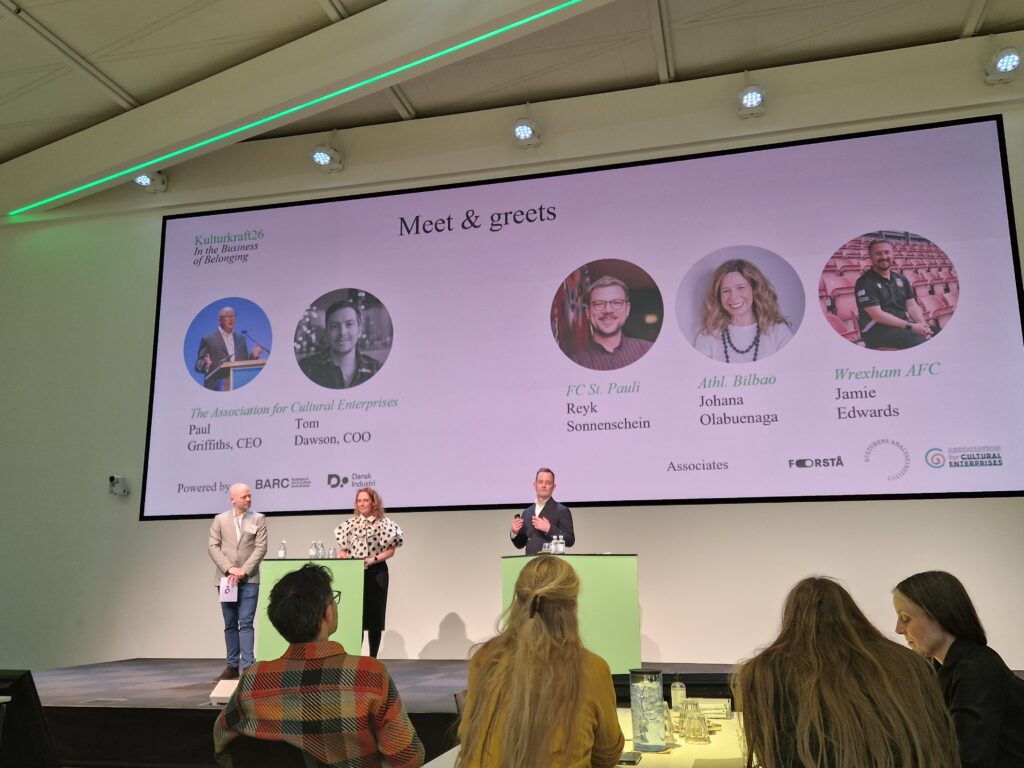
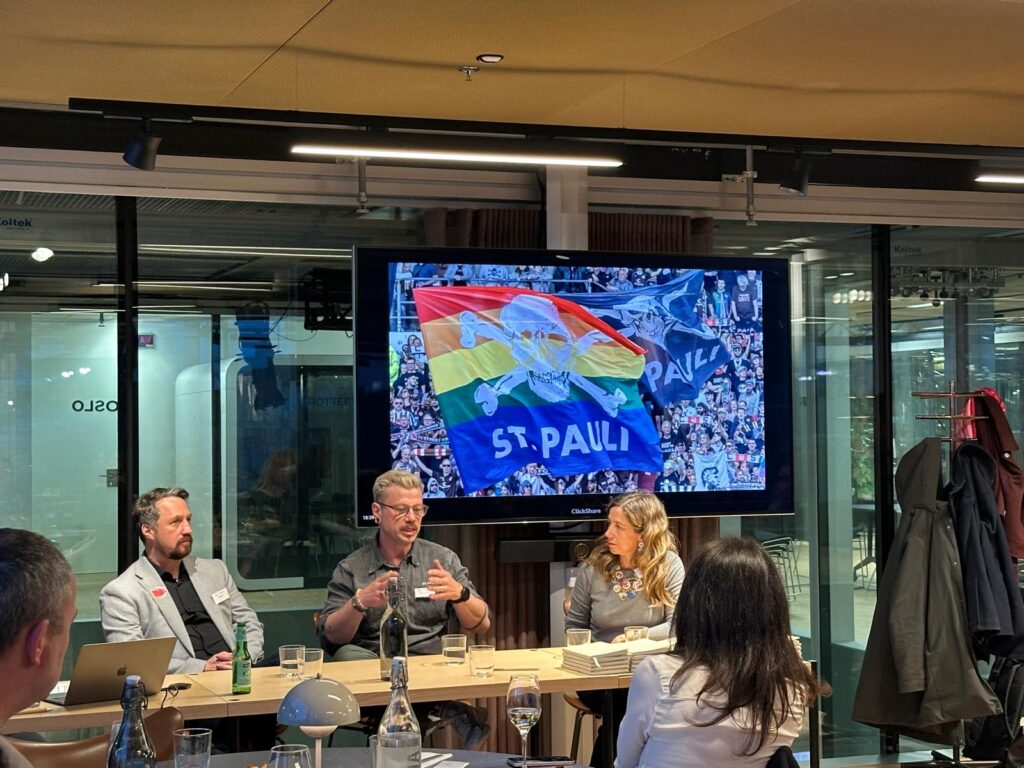
There was a fascinating panel discussing what culture can learn from football, and vice versa. We heard from clubs famous for their community-focused approach, FC St. Pauli in Hamburg, and Club Athletic in Bilbao, as well as from Wrexham AFC.
Despite differences in scale, funding models and national context, there was a strong sense of shared endeavour. The challenges may be complex, but they are not faced in isolation.
Looking Ahead
Leaving Copenhagen, I was struck by how aligned the sector is in its direction of travel. There is increasing confidence in the role of enterprise and income generation, a growing emphasis on practical application, and a continued belief in the importance of collaboration.
For the Association for Cultural Enterprises, this reinforces the importance of our work, supporting organisations to build commercial capability, share best practice and connect with one another.
The challenge now is not simply to continue the conversation, but to turn insight into action.