
We’re proud to announce that the Association for Cultural Enterprises has been accredited as a Carbon Literate Organisation.
The accreditation highlights our commitment to reducing carbon emissions, and working towards a zero carbon future. As a team we undertook bespoke Carbon Literacy training, deepening our understanding of the climate crisis, pathways to net zero, and how we can take steps to effect change.
We then pledged to a number of actions designed to improve the sustainable credentials of the Association and its activities.
What is Carbon Literacy?
The Carbon Literacy Project defines Carbon Literacy as, “An awareness of the carbon costs and impacts of everyday activities, and the ability and motivation to reduce emissions, on an individual, community and organisational basis.”
Dave Coleman, Co-Founder and Managing Director of The Carbon Literacy Project, said:
“Carbon Literacy is an essential skill, vital to every workplace and community. It is the foundational knowledge and a catalyst to empowering people to act on climate. The actions taken by learners have an immediate impact within their organisation, however it is the maintenance of these and further actions, supported by Carbon Literate organisational culture, that reaps the greatest rewards for both participants and their organisations.
“By becoming a Bronze accredited Carbon Literate Organisation, the Association for Cultural Enterprises has demonstrated its commitment to genuine low carbon action, environmental and economic impact, and the building of a low carbon future for us all.”
Tom Dawson, Interim COO, Association for Cultural Enterprises said:
“I’m proud the Association team is walking the walk and not just talking the talk when it comes to being more environmentally sustainable. With a considerable programme of events and an annual conference attracting nearly 1,000 people, we wanted to move toward a more proactive policy of reducing our carbon footprint.
“By introducing policies like an events checklist to ensure we’re using the greenest venues, and doing Carbon Literacy training, achieving Carbon Literate Organisation certification is the first step in the Association showing leadership in this vitally important area. We believe strongly that for the cultural sector to be financially sustainable, it needs to be sustainably financial.”
Sustainability in Action
As part of the Association’s ongoing commitment to environmental responsibility, we’re now actively embedding sustainable practices across all of our activities.
- We actively prioritise public transport for business travel and select venues for our events based on accessibility by public transport. In 2024-25 car/van use for the Conference fell from nearly 60% to just 25%, showing that location planning and sustainable travel messaging are having a tangible impact.
- We’ve made significant strides in sustainable event delivery, reducing print and using recycled materials; sourcing local and sustainable catering where possible with vegan/vegetarian options; and creating a sustainability checklist for each event.
- We host an annual online Sustainability Conference, providing an opportunity for members to learn and share best practice around sustainability.
- We’ve created a Retail Sustainability Framework, a suite of practical resources to help retail teams embed sustainable practices, including templates, case studies and how-to guides. Members are also encouraged to sign up to our Sustainable Retail Pledge to help build a national picture of positive action.
- Finally, our annual Seeds of Change £10k prize fund empowers cultural organisations to design and deliver a sustainable new revenue stream. Applications for the 2026 prize fund are now open – find out more.
Have you introduced new practices within your organisation to improve sustainability? What challenges have you faced along the way?
We’d really value hearing about both the successes and the obstacles shaping progress across our community, please do get in touch and share your story.
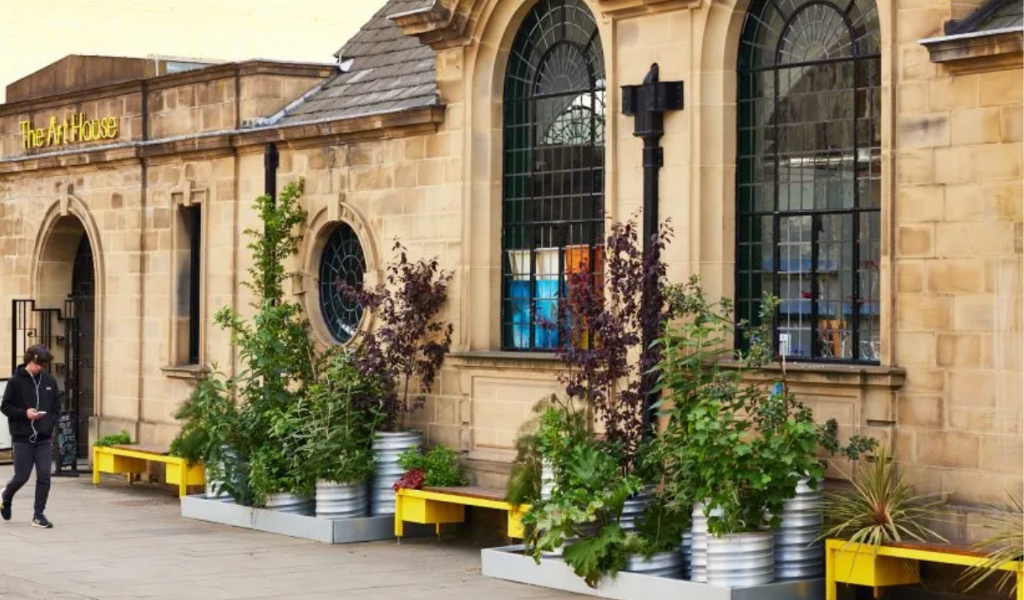
with creative and sustainable ways of generating income
