
For cultural organisations managing complex operations, ticketing is a vital touchpoint that presents an opportunity to streamline operations and shape commercial strategy, as well as create seamless visitor journeys.
David Edwards, Senior Sales Manager at Ventrata, explains why modern heritage ticketing is no longer just about selling tickets.

As we celebrate our 10th anniversary here at Ventrata, if someone had asked us at the start of that journey what a ticketing system should do, the answer would have been fairly simple: sell tickets, process payments, and get visitors through the door.
Today, that’s only a small part of the picture.
Now, as we begin to work with Historic Environment Scotland having been selected as its ticketing partner, it reflects the same direction we’re seeing across the sector: organisations are looking beyond basic ticket sales and legacy systems to create more connected, efficient and visitor-focused operations.
Over the past few years, we’ve had the opportunity to work with a growing number of cultural organisations across the UK, Ireland and worldwide. Although every organisation is unique, the conversations are remarkably similar.
The challenge is rarely ticketing itself. It’s everything that sits around it.
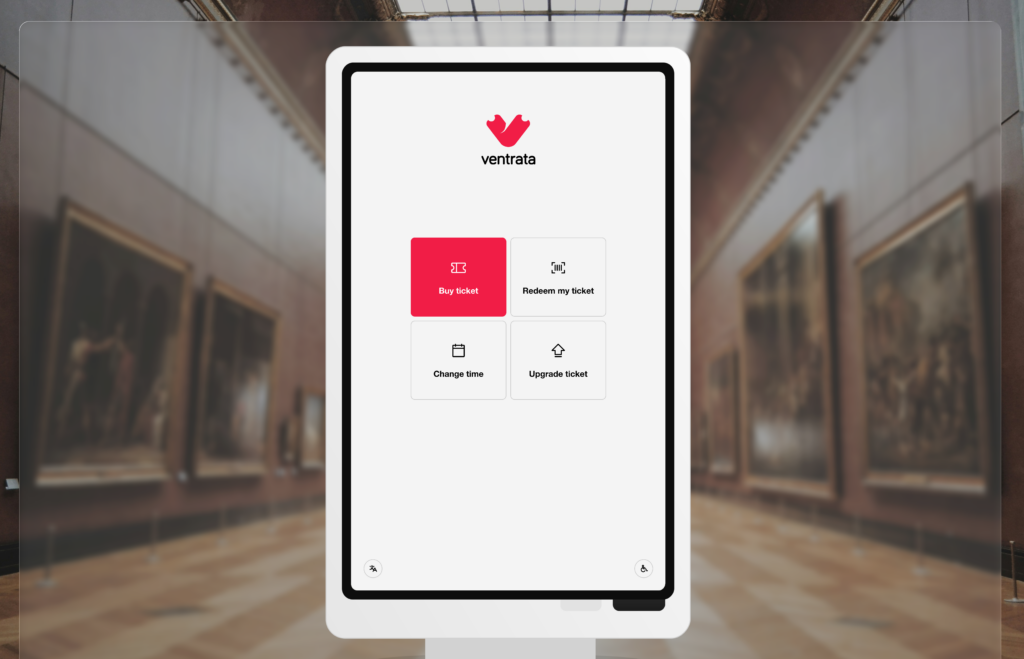
Take any large heritage organisation as an example. You’re not managing one visitor attraction with one or two schedules and one product. You’re often managing dozens, or even hundreds, of ticket types, different venues, each with different opening times, seasonal availability, pricing structures and visitor experiences.
Alongside general admission come:
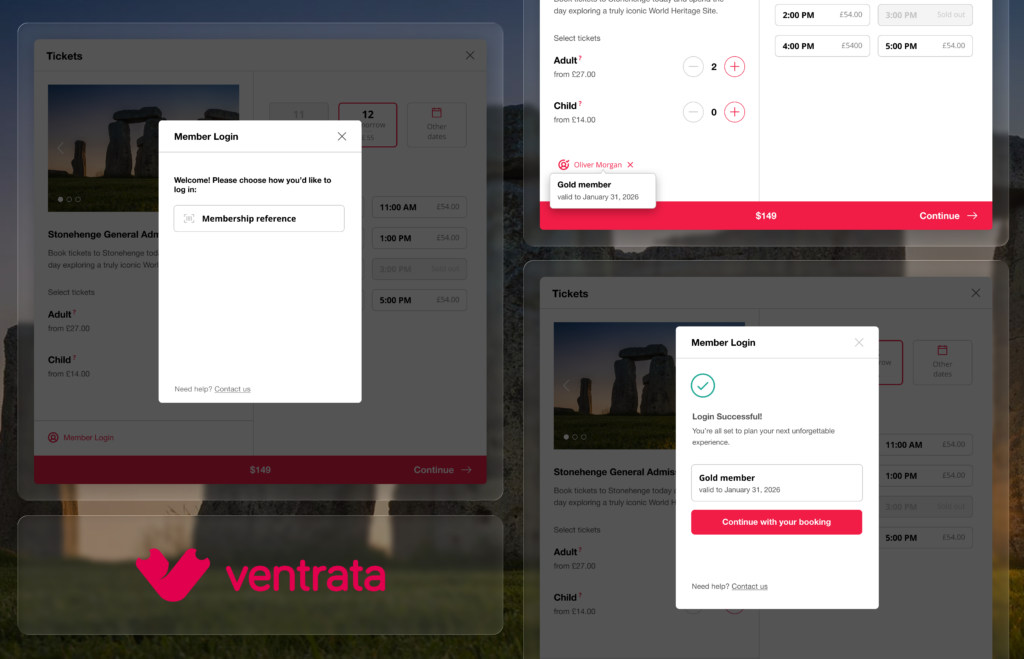
- memberships and subscriber management, understanding household visitation, long-term visitor engagement and lifetime value,
- education visits and group bookings that are often still managed through manual processes,
- guided tours and special events,
- donations and Gift Aid, requiring sophisticated data management to capture the full scope of visitor support,
- ambitions to grow through OTAs and travel trade partnerships, but without the right tools to support them,
- retail and café systems operating separately from ticketing,
- and multiple digital sales channels and their varying sets of data come into sharp focus.
Every one of those journeys has different operational requirements, but visitors still expect a seamless experience, and so for venues, perhaps the biggest shift we’ve noticed is that ticketing has become a ‘source of truth’ operational platform rather than a standalone function that is siloed.
Creating a Seamless Operational Ecosystem
One organisation where this complexity became especially clear is our client, English Heritage.
Caring for more than 400 historic places across England, including around 100 paid-entry sites, its operations extend far beyond selling admission tickets. Managing seasonal opening patterns, education programmes, travel trade, special events and finance and CRM processes requires a platform capable of supporting a wide variety of visitor journeys within one operational ecosystem.
The conversations we have today are as likely to be about finance reporting, data, CRM integrations and operational workflows as they are about admissions. Organisations want to understand how revenue is recognised, how information flows into finance systems, how different teams access reporting and how visitor data can be used to make better decisions across marketing teams and the wider organisation. These are no longer “back office” considerations; they’re central to delivering an efficient operation.
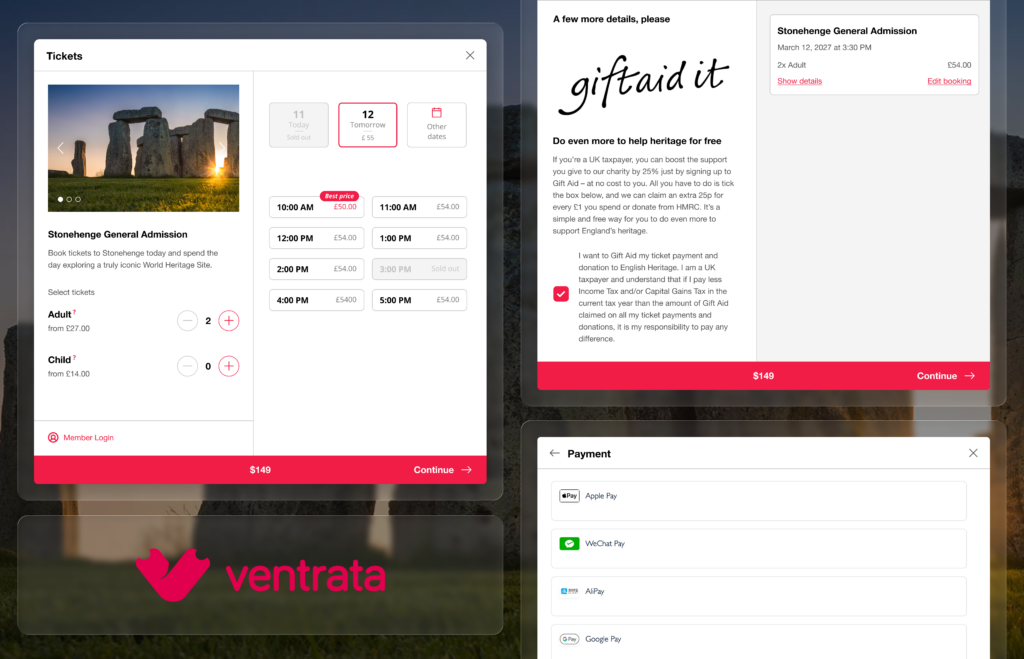
The same applies to the visitor experience. Guests don’t think in terms of ticketing systems. They simply expect booking online to be straightforward, a considered membership signup to work seamlessly, including being able to use their exciting member benefits, self-serve their plans, and have the ability to make donations to fit their love of the venue and be immersed in its longevity.
Operationally, staff on site need data, real-time visibility and the information they need quickly, which may vary by stakeholder and can be actioned and accessed anywhere. Behind the scenes, however, delivering that experience depends on connecting many different processes into one cohesive operation.
This is exactly why we’re seeing cultural organisations rethink what they expect from their technology. Rather than adding more systems to solve individual problems or continuing to work around the limitations of legacy technology, many organisations are looking for ways to bring ticketing, visitor services, reporting, memberships, partner sales and operational management together on a single platform with unlimited connectivity possibilities.
We’ve seen this across many organisations including English Heritage, St Paul’s Cathedral, Tower Bridge, the National Gallery, Dublinia, EPIC The Irish Emigration Museum and Titanic Belfast, each with its own unique priorities but many of the same underlying operational challenges.
Takeaways for Cultural Organisations
Every organisation is different, but a few themes continue to emerge from our conversations across the sector:
- Think beyond admissions. Your ticketing platform should support the full visitor journey, from memberships and education visits to donations, partner sales and special events, while making life easier for both staff and visitors.
- Don’t underestimate operational complexity. Finance, reporting, integrations and internal workflows often have as much impact on success as the visitor-facing booking experience. Look for solutions that work together and strengthen both day-to-day operations and the visitor experience.
- Choose technology that can grow with your organisation. As visitor expectations evolve, having a connected platform that integrates with your wider technology ecosystem gives venues the flexibility to adapt, innovate and continue improving the visitor experience.
We’re looking forward to continuing these conversations with cultural organisations across the UK and Ireland and sharing more of the lessons we learn along the way.
About Ventrata
Ventrata works with museums, galleries, heritage organisations and visitor attractions to modernise ticketing and visitor operations. By bringing together admissions, memberships, donations, education bookings, travel trade, reporting and on-site operations in one connected platform, we help organisations spend less time managing systems and more time focusing on their visitors.
Learn more at www.ventrata.com or get in touch with our team at sales@ventrata.com
